Plaster vs Pebble vs Quartz Pool Finish: Which Is Best for Florida Pools?
Not all pool finishes perform the same—and choosing the wrong one can lead to higher maintenance, faster wear, and unnecessary costs over time. When planning a resurfacing project, the material you select will directly affect how your pool looks, feels, and holds up over the years.
In Florida, this decision becomes even more important. Constant sun exposure, frequent use, and chemical treatments create conditions that quickly expose the weaknesses of lower-quality finishes.
Homeowners in Orlando often find themselves comparing three main options: plaster, quartz, and pebble. Each one offers a different balance between cost, durability, and appearance. Understanding how they truly perform—not just how they look at installation—can help you make a smarter long-term choice.
Understanding the Differences Between Pool Finish Materials
When evaluating pool surfaces, it helps to think beyond appearance and focus on performance over time.
The three most common materials each serve a different purpose:
- Plaster is the traditional option, often chosen for its lower upfront cost
- Quartz offers improved strength with a more refined finish
- Pebble is designed for durability and long-term resistance
The right choice depends on how the pool will be used, how much maintenance you want to handle, and how long you expect the surface to last.
Plaster: A Traditional but Short-Term Solution
Plaster has been used for decades and remains a common choice in residential pools.
Where Plaster Works Well
- Lower initial investment
- Smooth texture
- Simple installation process
These qualities make it appealing for homeowners focused on short-term affordability.
Where Plaster Falls Short
- Lifespan typically limited to 5–10 years
- Higher risk of staining and cracking
- More frequent maintenance required
In Florida, where pools are used more often and exposed to harsher conditions, plaster tends to wear down faster than expected.
Quartz: A Middle-Ground Option
Quartz finishes are often seen as a step up from plaster, offering better durability without reaching premium pricing.
Advantages of Quartz Finishes
- Improved resistance to chemicals
- Longer lifespan, usually around 10–15 years
- More consistent and attractive appearance
Limitations to Consider
- Higher cost than plaster
- Still not as durable as pebble-based finishes
Quartz can be a practical choice for homeowners who want better performance without fully committing to a premium surface.
Pebble: Built for Durability and Long-Term Value
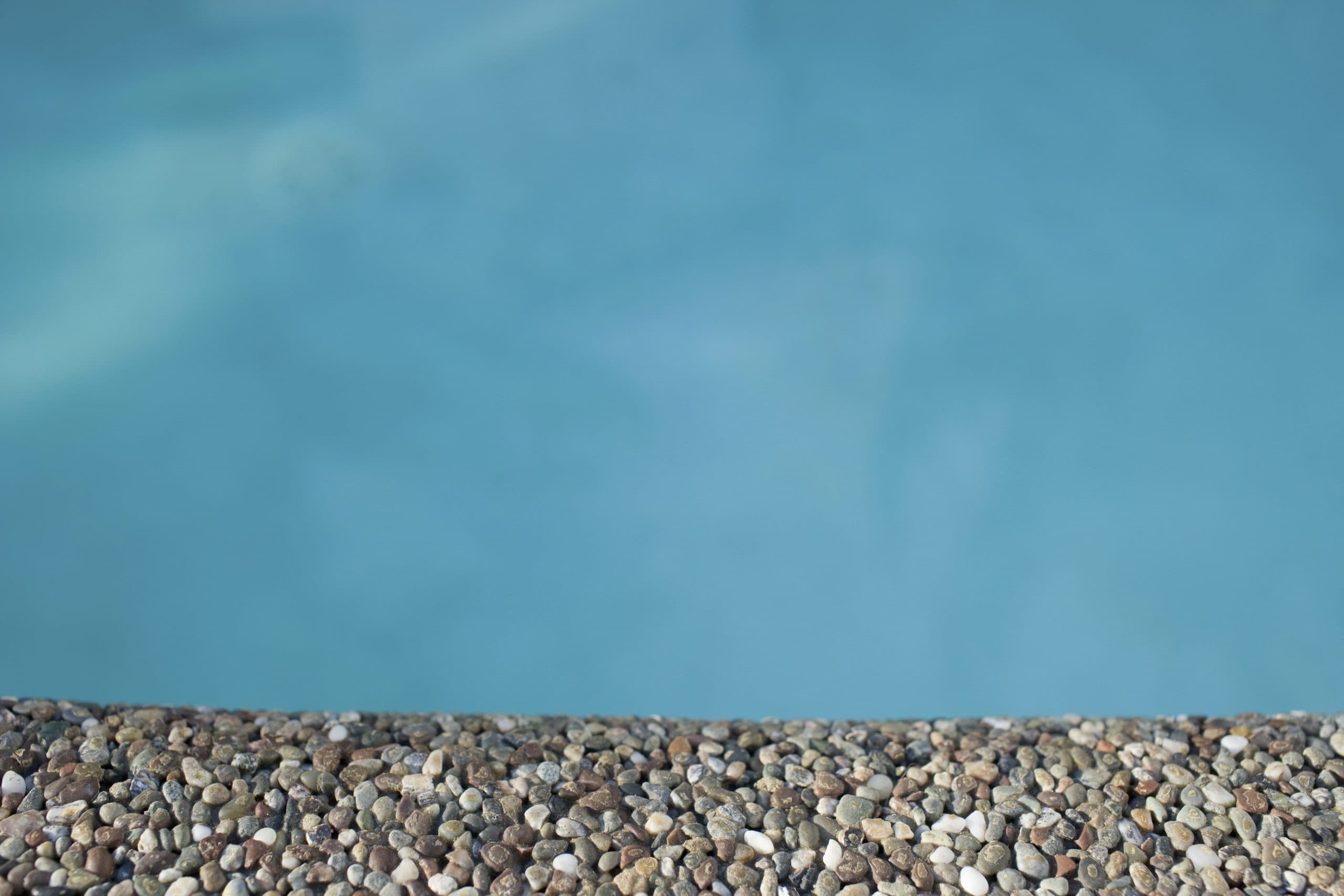
Pebble finishes are widely recognized as one of the most durable options available for pool resurfacing.
Why Pebble Stands Out
- Lifespan of 15–25 years or more
- Strong resistance to chemicals and UV exposure
- Natural texture that enhances water color
- Lower maintenance over time
These characteristics make pebble finishes especially effective in Florida environments.
What to Keep in Mind
- Higher upfront investment
- Slightly textured feel compared to smoother finishes
At D&J Pool Resurfacing, pebble finishes are installed with precision to ensure long-term performance. Each project is backed by a 25-year warranty, reinforcing the durability of the materials used.
Cost vs Long-Term Value
Focusing only on initial cost can be misleading when comparing pool finishes.
A more accurate way to evaluate each option is to consider how often it will need to be replaced or repaired.
- Plaster may cost less upfront but requires more frequent resurfacing
- Quartz offers moderate longevity with balanced cost
- Pebble requires a higher initial investment but lasts significantly longer
In high-use areas like Orlando, choosing a more durable surface often results in lower total cost over time.
Which Pool Finish Performs Best in Florida?
Florida’s climate places constant stress on pool surfaces. Heat, UV exposure, and regular use all contribute to faster wear.
Because of these conditions, materials that prioritize durability tend to perform better in the long run.
For many homeowners in Orlando, pebble finishes provide the best balance of longevity, resistance, and visual appeal. However, the right choice ultimately depends on how the pool will be used and what level of maintenance is acceptable.
Comparing pool finishes is not just about choosing what looks best today—it is about understanding how that decision will perform years from now. Each material comes with trade-offs, and selecting the right one requires looking beyond the surface.
At D&J Pool Resurfacing, we help homeowners in Orlando evaluate these options based on real usage, environmental conditions, and long-term expectations. Every project is built with durability in mind and supported by a 25-year warranty.
If you are planning to resurface your pool, the next step is to get a clear understanding of what your pool actually needs before making a decision.
Written and reviewed by
D&J The Pool Resurfacers
A Florida-licensed pool contractor and certified PebbleTec applicator that resurfaces, remodels and builds pools across Central Florida, working with pebble, quartz and polished finishes.
- Florida Certified Pool/Spa Contractor
- CPC1459797 · Verify the license on MyFloridaLicense.com
- PebbleTec
- Certified PebbleTec applicators
- Last updated
Why trust this article: it’s written by the licensed crew that does this work in Central Florida, and it only states what we do on our own jobs — pebble, quartz and polished finishes. More about D&J