How to Protect Your Investment: Signs Your Pool Needs Resurfacing in 2026
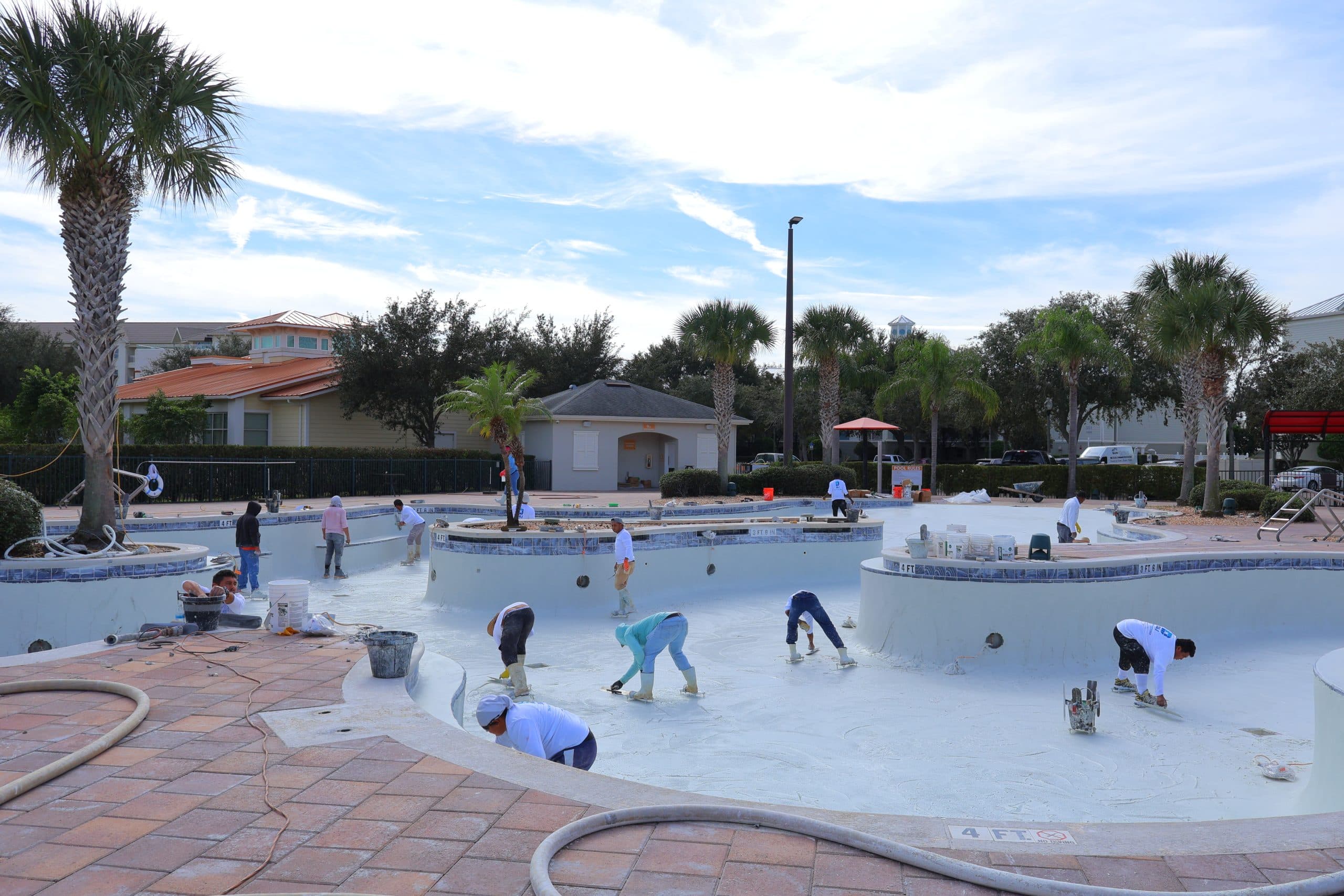
Here in Florida, our pools work hard all year long.
Between the sunshine, rain, temperature changes, chemicals, and everyday use, it’s completely normal for a pool finish to age over time.
But the trick is knowing when that aging becomes a problem — and when it’s time to consider resurfacing.
At D&J, we talk to homeowners every week who ask the same question:
“Is my pool ready for resurfacing, or is this just normal wear?”
So today, let’s break it down in a simple, helpful way.
Here are the signs that tell you it might be time to give your pool a new start in 2026.
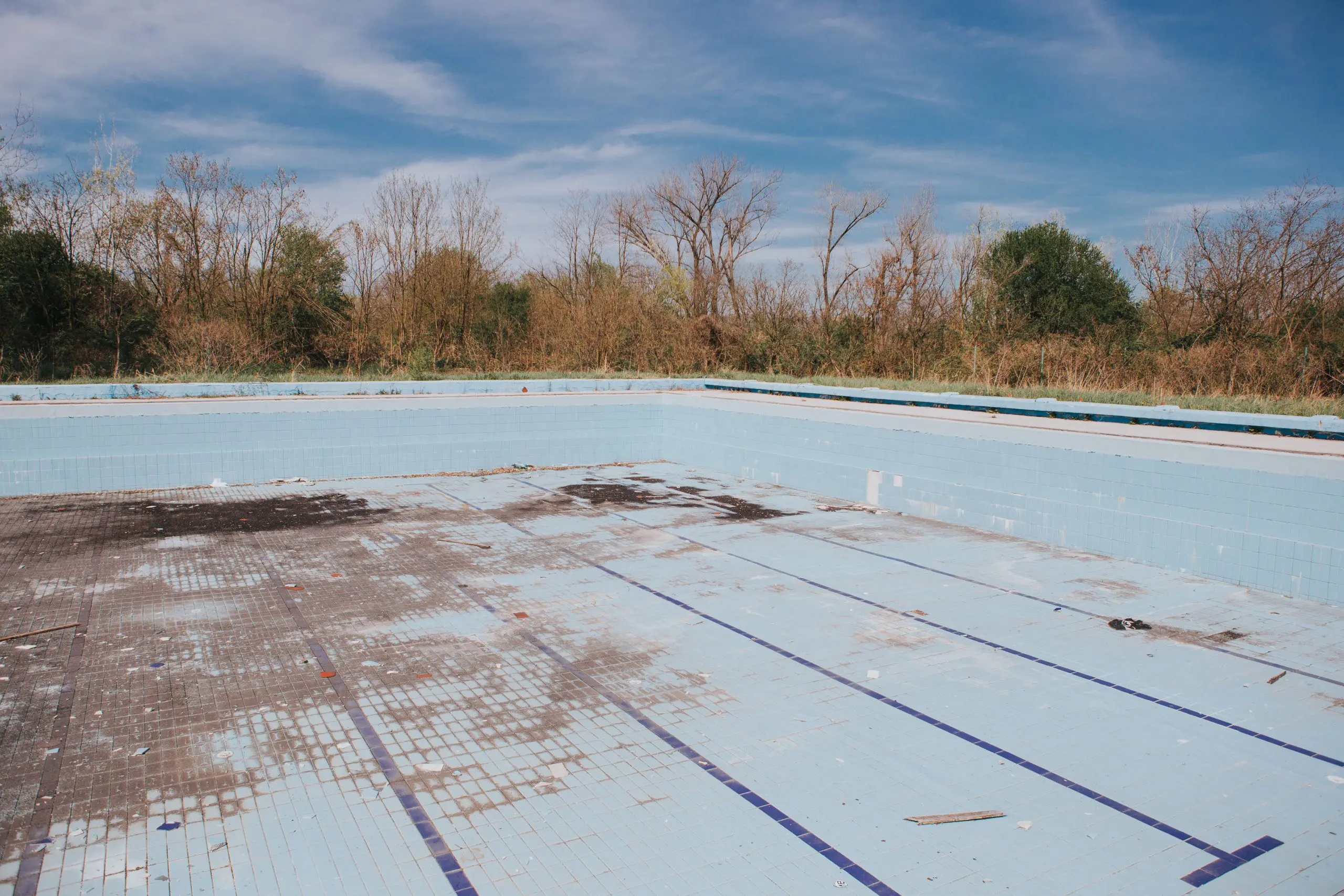
The Surface Feels Rough or Scratchy
One of the earliest warning signs is texture.
If the surface feels rough on your feet or hands, that usually means:
- The finish is wearing thin
- The plaster underneath is being exposed
- The surface is no longer sealed properly
This is extremely common during Florida’s cooler months because the water chemistry fluctuates more easily.
If swimming isn’t as comfortable as it used to be, resurfacing may be around the corner.
!
Cracks or “Spiderweb” Lines on the Finish
Small cracks don’t always mean structural damage — but they do mean the finish is breaking down.
Common causes include:
- Age
- Sun exposure
- Water chemistry imbalances
- Expansion and contraction during cooler months
Ignoring cracks early often leads to larger issues later.
Faded Color or Uneven Patches
If your pool once had a rich, vibrant color and now looks washed out or uneven, the finish has likely worn down.
Florida’s sun is beautiful — but it’s relentless on pool surfaces.
Color fading is also one of the first things guests notice, which is why many homeowners choose resurfacing for aesthetic reasons alone.
Stains That Don’t Go Away
Stains happen — metals, leaves, minerals, and even the water itself can leave marks.
But if you’ve scrubbed and balanced your chemicals and the stain still doesn’t lift, that’s a sign the finish has become porous.
A porous surface not only stains…it deteriorates quickly.
!
Your Pool Is Losing Water More Than Normal
Cooler months can make evaporation tricky to measure — but if you’re topping off your pool more often than usual, it could be:
- A surface crack
- A worn-out expansion joint
- Delamination (finish separating from the structure)
Resurfacing often solves this by resealing and reinforcing the entire interior.
It’s Been 10+ Years Since Your Last Resurfacing
Even with perfect maintenance, most Florida pools need resurfacing every:
- 7–10 years for plaster
- 10–15 years for pebble or quartz
If you don’t remember when yours was resurfaced… that might be your answer.
Why Resurfacing Matters for Your Investment
!
Your pool is more than a place to swim — it’s a major feature of your home.
Resurfacing helps you:
✔️ Protect the pool’s structure
✔️ Make swimming safer and more comfortable
✔️ Extend the lifespan of equipment
✔️ Improve water quality
✔️ Increase home value
✔️ Restore beauty and color
Ignoring the signs often makes repairs more expensive later.
Catching them early protects your investment.
How D&J Helps You Decide What’s Next
We know resurfacing is a big decision.
That’s why our approach is simple:
We inspect. We explain. We give you honest options. No pressure. No rushing. Just clarity.
If your pool is ready for a refresh, we’ll help you choose the finish, color, and style that match your home — and your lifestyle.
Final Thoughts
If your pool has been showing signs of wear, 2026 is the perfect time to restore it.
A fresh surface doesn’t just make your backyard look better — it protects your home, improves safety, and makes swimming enjoyable again.
We’re here whenever you’re ready to take the next step.
📞 (321) 360-4867 🌐 dandjthepoolresurfacers.com
Written and reviewed by
D&J The Pool Resurfacers
A Florida-licensed pool contractor and certified PebbleTec applicator that resurfaces, remodels and builds pools across Central Florida, working with pebble, quartz and polished finishes.
- Florida Certified Pool/Spa Contractor
- CPC1459797 · Verify the license on MyFloridaLicense.com
- PebbleTec
- Certified PebbleTec applicators
- Last updated
Why trust this article: it’s written by the licensed crew that does this work in Central Florida, and it only states what we do on our own jobs — pebble, quartz and polished finishes. More about D&J