New Pool Construction Orlando FL Cost & Timeline
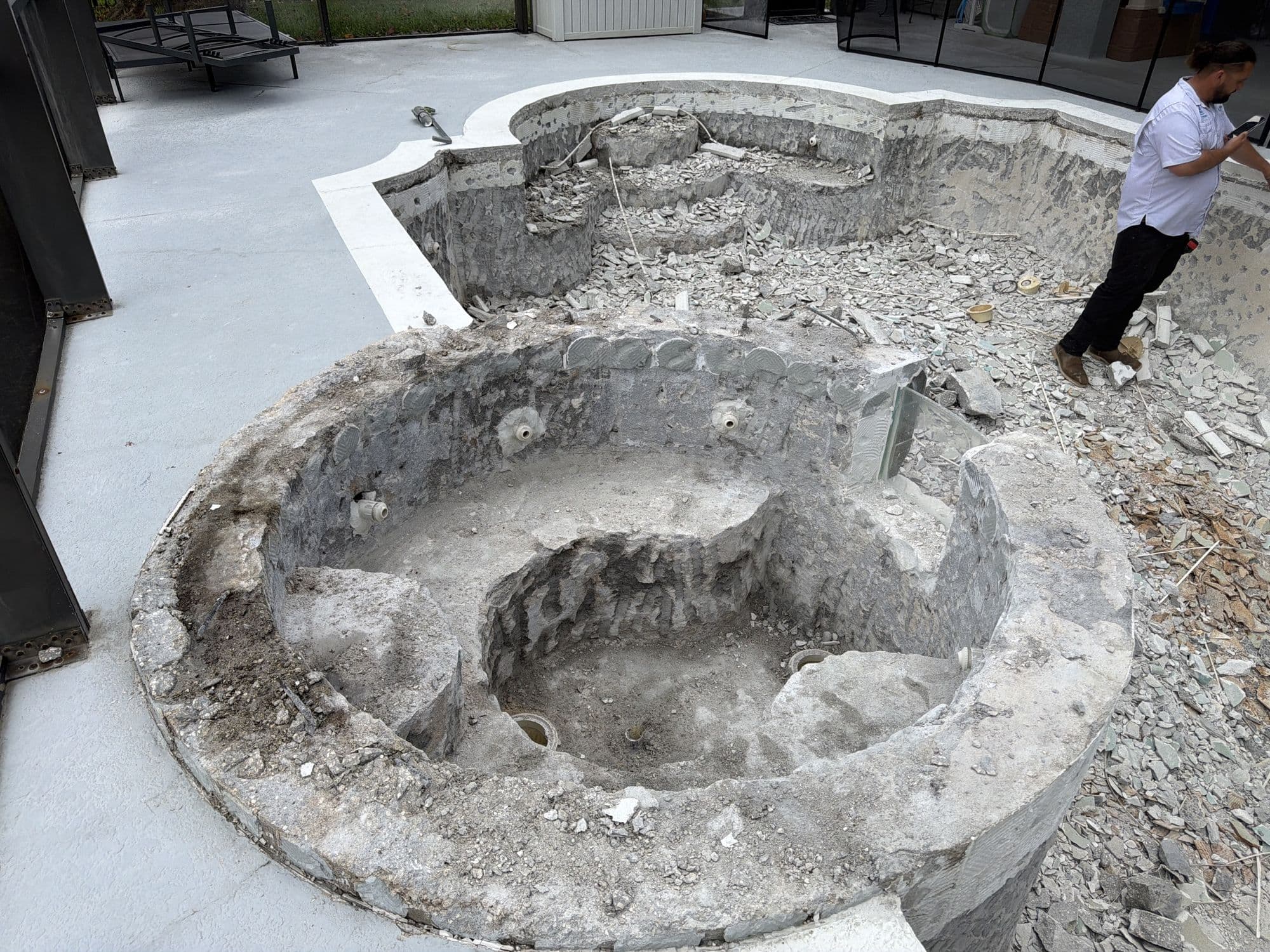
Building a new pool in Orlando is one of the most valuable upgrades a homeowner can make in Florida. With year-round warm weather and a strong outdoor lifestyle culture, pools are not just luxury features—they are part of daily living.
However, new pool construction is a complex process involving design, permits, excavation, engineering, plumbing, electrical work, and finishing. Understanding each phase helps homeowners set realistic expectations and avoid delays.
In Central Florida, factors such as soil conditions, weather patterns, and local regulations can influence both cost and timeline. That's why working with experienced pool builders is essential. D&J The Pool Resurfacers specializes in custom pool construction across Orlando and surrounding areas, delivering tailored designs that match both lifestyle and property value goals.
Quick answer: New pool construction in Orlando, FL typically ranges in cost depending on size, design, and materials. Most projects take several weeks to a few months from design to completion. D&J offers free consultations to evaluate scope, design options, and site conditions.
What Actually Affects the Cost of Building a New Pool in Orlando?
Every custom pool project in Orlando is priced differently — and understanding what drives that difference is what separates homeowners who make confident decisions from ones who get surprised by change orders halfway through construction. Two pools of identical size can vary significantly in total investment based on decisions that are entirely within your control from the first design conversation.
Size and shape — but not in the way most people think
Square footage is only part of the equation. A rectangular pool is significantly less complex to build than a freeform design of the same size, because straight lines require less formwork, less cutting, and less labor throughout every phase of construction. The premium for a curved, organic shape runs through every subsequent decision: the deck, the coping, the tile, the automation. It's not a reason to avoid it — it's a reason to know it's going on.
The ground under your property
This is the variable that surprises Orlando homeowners most. Central Florida's soil — particularly in areas with high clay content, proximity to the water table, or sandy fill soil common in newer subdivisions — directly affects excavation difficulty and the structural engineering required for the shell. A site assessment before design is finalized is not optional; it's the difference between a project plan that holds and one that doesn't.
Materials at every level — not just the finish
The shell material, the plumbing system, the equipment package, the coping, the deck surface, and the interior finish are all independent variables that affect the total scope. A pool built with a quality equipment package — variable-speed pumps, automated chemistry systems, LED lighting — requires a higher initial investment and significantly less to operate and maintain over its lifetime. The equipment decision made at the start follows you for the life of the pool.
Design complexity and features
Sun shelves, tanning ledges, waterfalls, grottos, attached spas, and integrated outdoor living elements each add to the project scope. D&J walks clients through every design element and its implications before the first permit application is submitted.
The Pool Construction Process in Orlando: What Happens and When
Building a pool in Orlando isn't just construction — it's a coordinated sequence that involves the City of Orlando or Orange County building department, engineers, inspectors, subcontractors, and material suppliers, all moving in an order that can't be reversed.
01Design and engineering
Before anything touches the ground, the pool is designed structurally to account for soil conditions, groundwater levels, and wind load requirements. Skipping or rushing this phase doesn't save time — it creates permit rejections that add weeks to the timeline.
02Permitting in Orlando & Orange County
A building permit is required, pulled by a licensed CPC contractor, including structural drawings, a site plan, and electrical/plumbing plans. Work cannot legally begin until the permit is issued — no exceptions. D&J pulls every permit correctly and builds the permit timeline into the project schedule from day one.
03Excavation
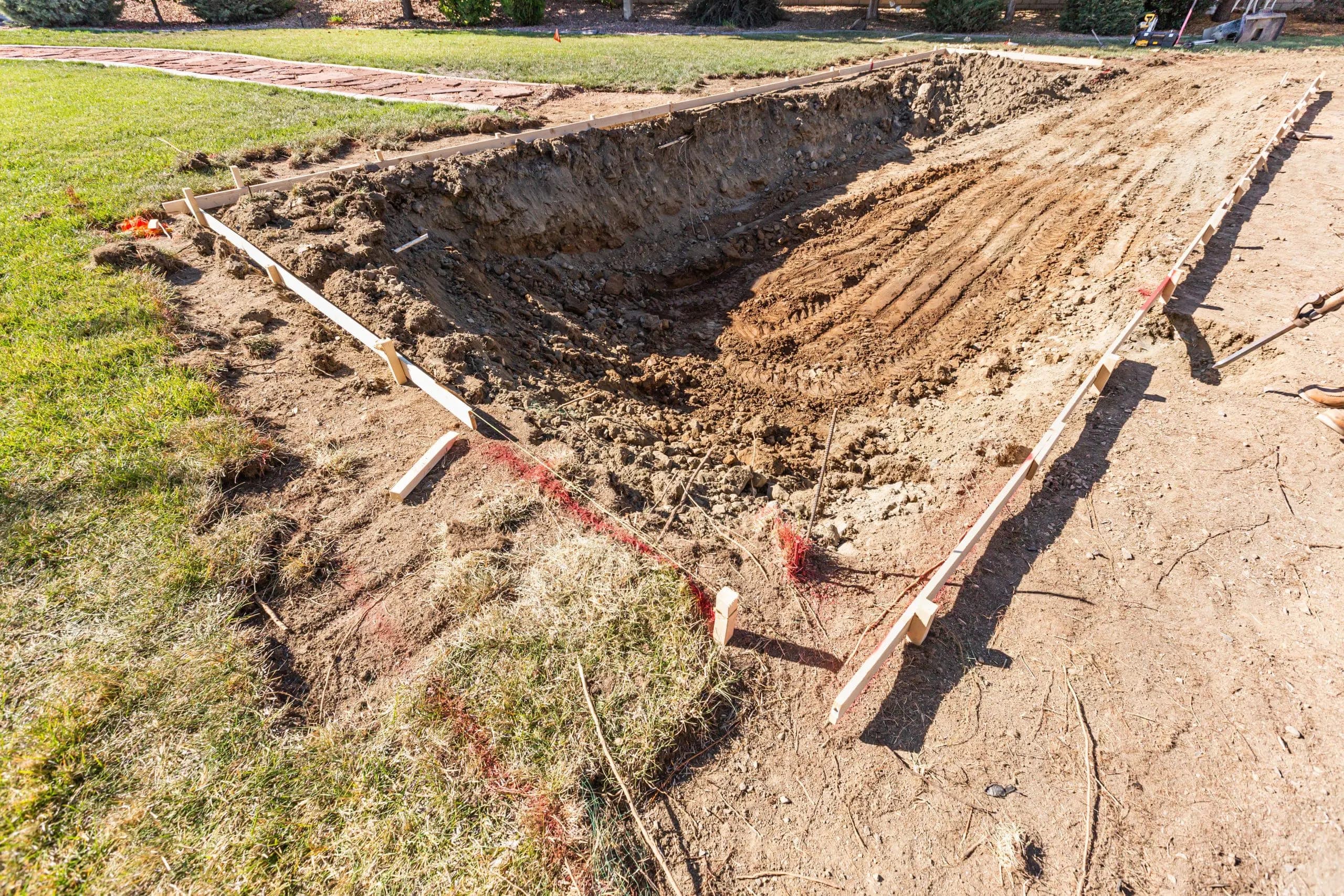
For a standard Orlando residential pool, excavation typically takes one to two days. Complications from soil conditions, underground utilities, or difficult access can extend this phase.
04Shell construction — steel, gunite & structure
The rebar cage that gives the pool its structural strength is assembled and inspected, then a pneumatically applied concrete mixture is shot over the framework to form the shell. This is the most structurally critical phase and needs to cure before rough-in begins.
05Plumbing, electrical & equipment
Underground plumbing, electrical conduit, and equipment pad construction happen here. Pool electrical work must comply with NEC 680, and inspections are required at multiple points before work can proceed.
06Interior finish and startup
The final interior finish — PebbleTec, Quartz, or plaster — is applied once all other work is complete and inspected. Then the pool fills and the chemical startup begins, running approximately four weeks before the pool is ready for regular use.
How Long Does It Take to Build a Pool in Orlando? The Real Timeline
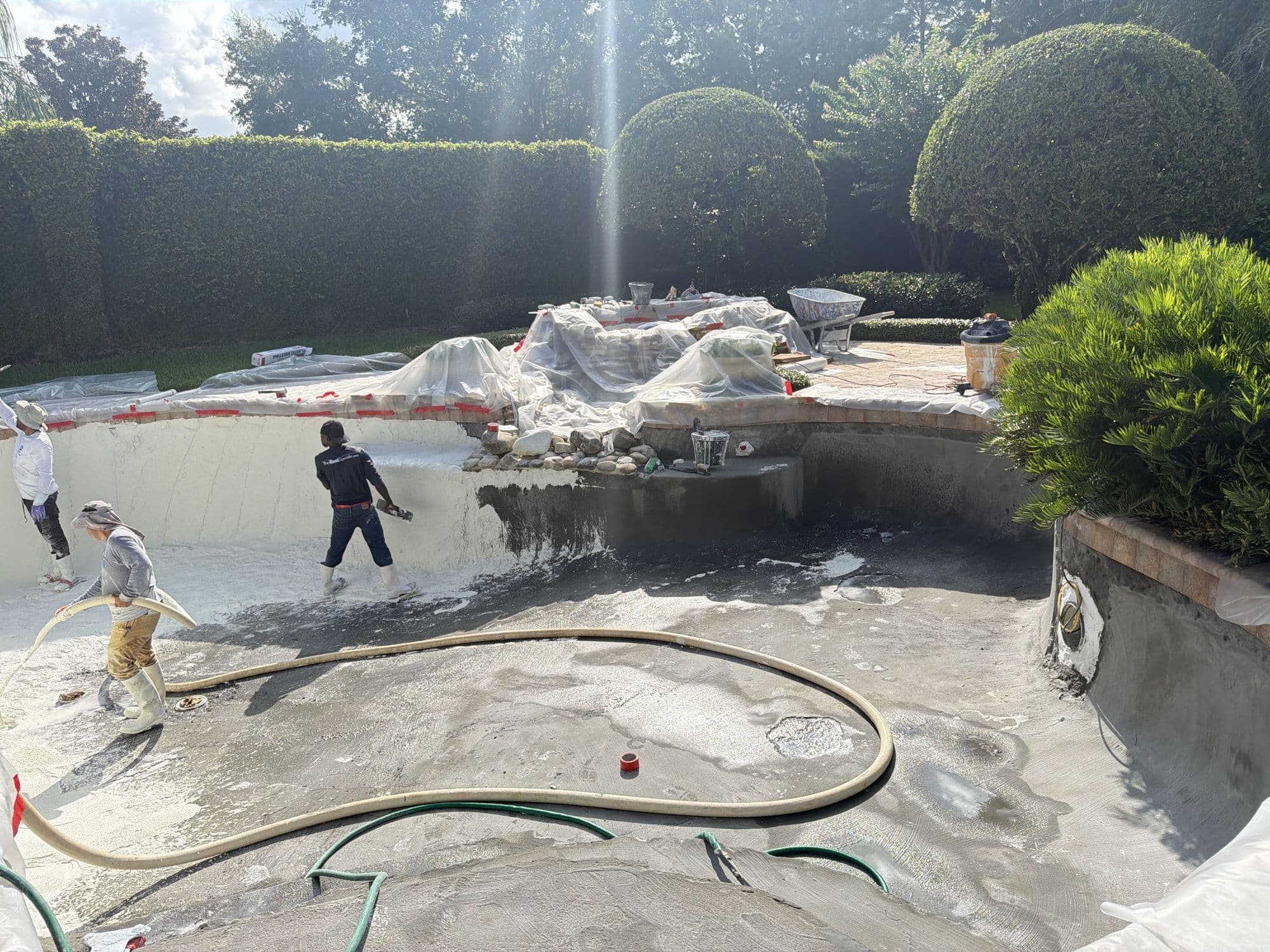
The answer most contractors give is "8 to 12 weeks." That answer is incomplete, and it sets homeowners up for frustration. Here's the timeline that includes everything.
- Design and engineering: 2 to 4 weeks
- Permitting: 3 to 6 weeks in Orange County and Orlando
- Construction (excavation through finish): 6 to 10 weeks
- Startup: 4 weeks
Realistic total from first design conversation to first swim: 4–6 months. A homeowner who wants a pool ready for summer needs to be in conversation with D&J no later than January or February to have a realistic chance of swimming by Memorial Day.
Custom Pool Design Options for Orlando Homes in 2026
Orlando's residential pool market has shifted significantly in the last five years. The backyard pool is no longer evaluated as a standalone amenity — it's the centerpiece of an outdoor living environment.
The designs Central Florida homeowners are choosing
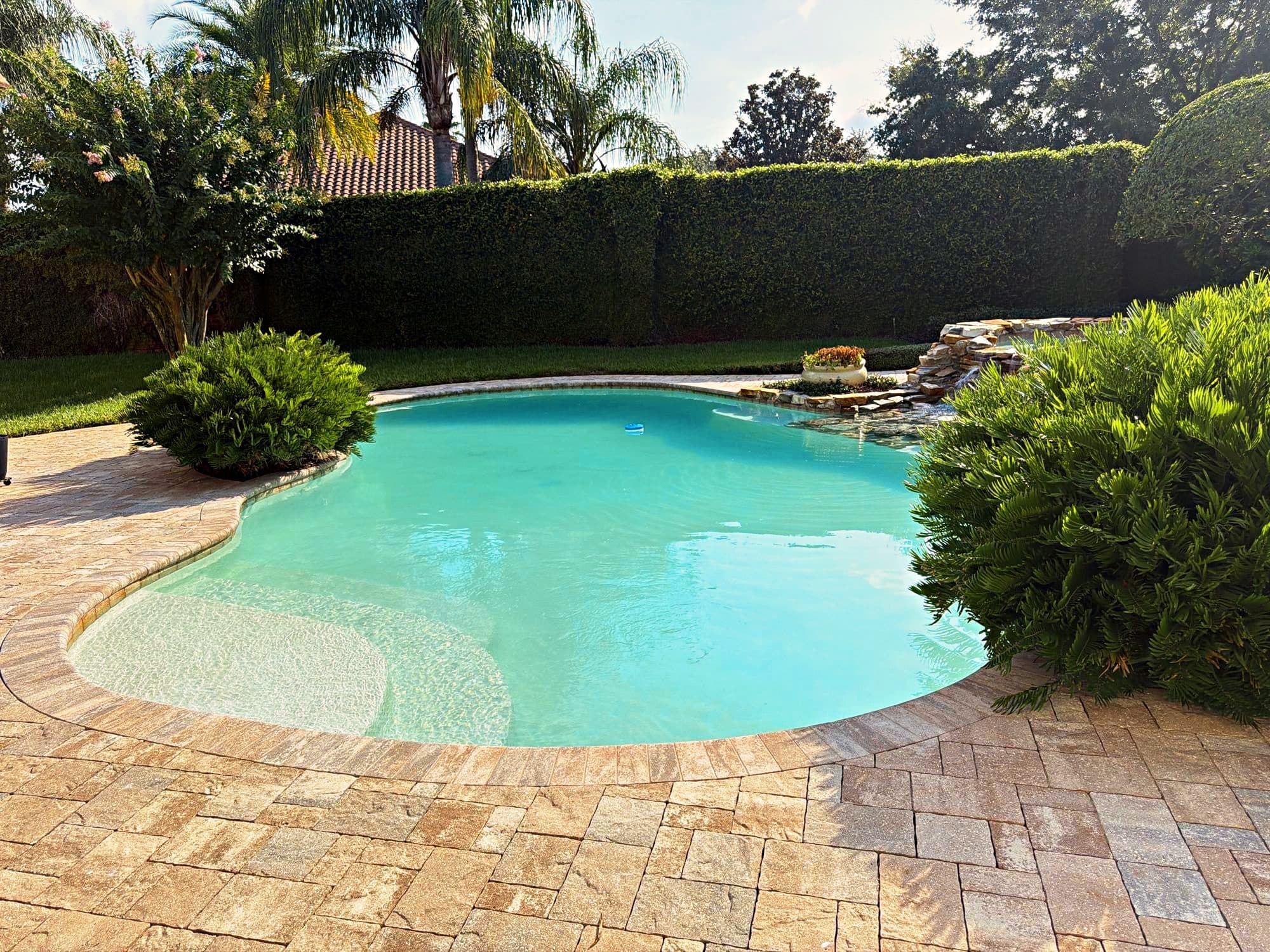
Geometric pools with clean lines and integrated sun shelves are the most consistent choice in the Orlando market — they work across architectural styles, photograph well, and use space efficiently. Freeform designs with natural edges remain popular on larger lots. Resort-style builds — with attached spas, water features, grottos, or integrated outdoor kitchens — represent the premium end of the market and are increasingly common in communities like Lake Nona, Dr. Phillips, Windermere, and Celebration.
The outdoor living integration that's changing the conversation
More D&J clients in 2026 are approaching the pool project as one component of a broader outdoor transformation — pool deck, covered lanai, outdoor kitchen, fire features, and landscaping planned and built together rather than in phases.
Why the Contractor You Choose for New Pool Construction in Orlando Changes Everything
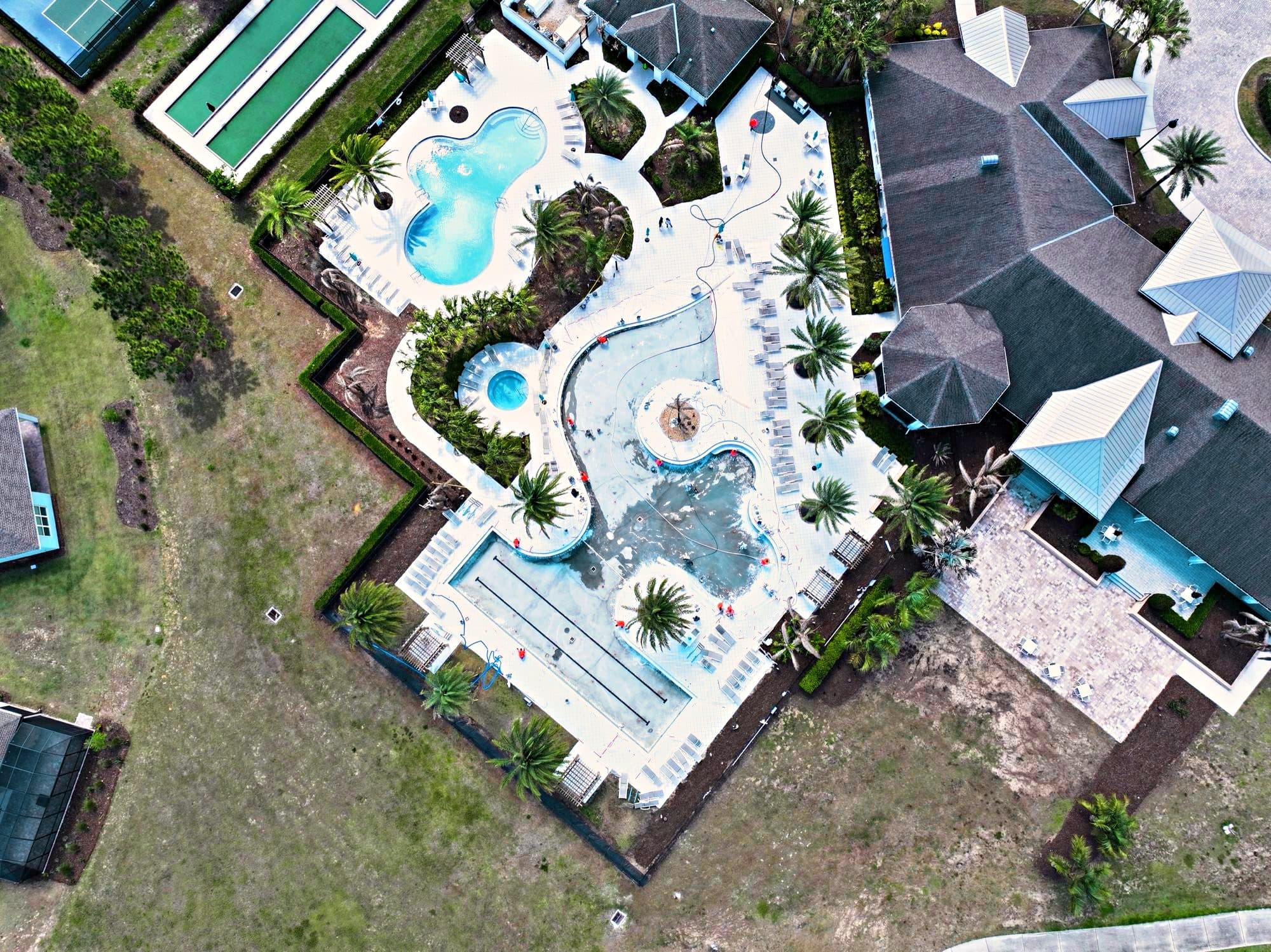
This is not the section that says "hire a professional" in three different ways. This is the section that explains specifically what goes wrong when the wrong contractor builds your pool — because in Central Florida, it happens more than homeowners realize.
Permitting shortcuts that become your problem
A contractor who pulls permits incorrectly or begins work before approvals are in place creates a record problem on your property that follows you to every future sale. In Orange County and the City of Orlando, unpermitted pool work can require the structure to be exposed for inspection — or in the worst cases, demolished and rebuilt to meet code.
Structural engineering that wasn't done correctly
A pool shell that wasn't engineered for the specific soil conditions of the site — or built from a generic structural drawing rather than a site-specific one — can develop cracks, movement, or drainage problems within years. D&J builds with engineering that is specific to the site, not copied from a previous project.
Equipment that was selected to hit a number
The equipment package is where less experienced contractors frequently compress scope to win a bid. Years later, homeowners are replacing equipment that should have lasted much longer. D&J specifies equipment for the long-term operation of the pool, not the short-term attractiveness of the proposal.
FAQ
How much does a pool cost in Orlando?
It varies widely depending on size and features.
Do I need a permit to build a pool in Florida?
Yes, permits are required.
What is the best pool finish?
PebbleTec is one of the most durable options.
Can I customize my pool design?
Yes, fully custom designs are available.
How long does construction take?
Several weeks to a few months.
Start Your Custom Pool Project Today Turn your backyard into a long-term investment.
Written and reviewed by
D&J The Pool Resurfacers
A Florida-licensed pool contractor and certified PebbleTec applicator that resurfaces, remodels and builds pools across Central Florida, working with pebble, quartz and polished finishes.
- Florida Certified Pool/Spa Contractor
- CPC1459797 · Verify the license on MyFloridaLicense.com
- PebbleTec
- Certified PebbleTec applicators
- Last updated
Why trust this article: it’s written by the licensed crew that does this work in Central Florida, and it only states what we do on our own jobs — pebble, quartz and polished finishes. More about D&J