Can I Build a Pool in My Backyard? How to Find Out Before You Spend a Dollar
Before you pick a shape, a finish or a waterfall, there is one question to answer first: does your lot actually allow a pool, and where?
Most people start dreaming about a pool from the inside out: the tile color, the sun shelf, the lights at night. But property lines, easements, a septic drainfield, an HOA covenant or a high water table can decide where a pool goes, how big it can be, or whether it works at all.
The good news: almost all of this can be checked before you sign anything. Here is how to find out.
Quick answer: You can usually tell if a pool fits by checking six things: your property survey, the setback rules for your zoning district, any easements and utility lines, your HOA's architectural rules, the location of your septic system or well, and your flood zone and soil conditions. Setback rules come from your city or county code, not from the builder, so confirm them with the jurisdiction where your home sits. A site visit from a licensed pool contractor then ties it all together.
Start With Your Property Survey
Your survey is the single most useful document in this process.
It shows your property lines, the footprint of the house, fences, driveways and, usually, recorded easements. Most homeowners received a copy at closing. If you can't find it, check your closing package or ask the title company that handled the purchase.
Permit offices rely on it too. Orange County's residential swimming pool permit page lists a site plan or survey showing the location of the proposed pool, plus a lot grading and drainage plan. The City of Orlando's residential pool checklist goes further and asks for a survey signed and sealed by a Florida-licensed surveyor.
Setbacks: The Rules Come From Your City or County
A setback is the minimum distance a pool, its deck or its screen enclosure must keep from property lines, the house or other features.
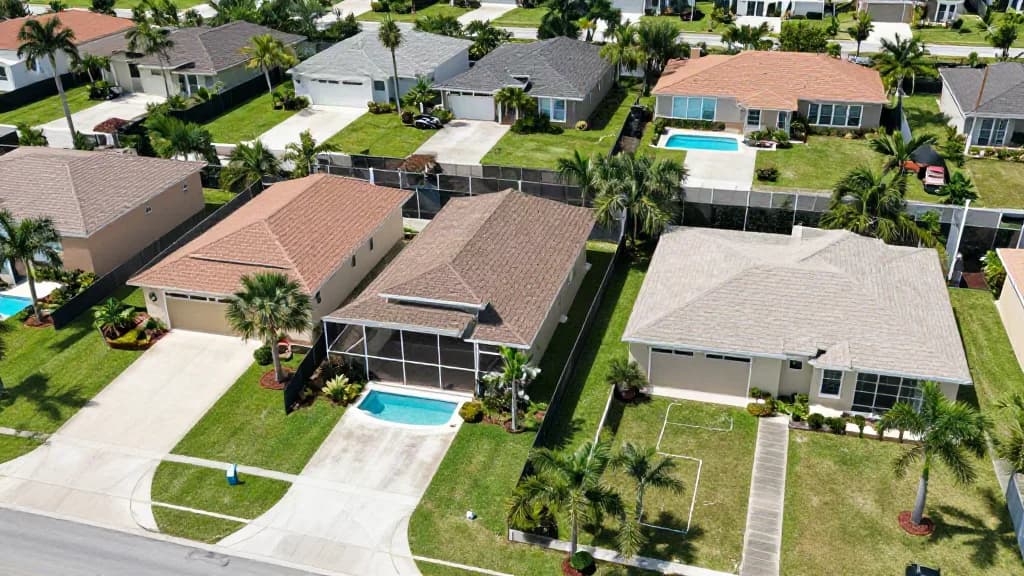
Here is the part many homeowners miss: setbacks are set by your local zoning code, and they vary. They can change by zoning district, by lot type (a corner lot often has extra street-side rules), by whether the lot touches a lake, and by whether you're inside a city or in the unincorporated county.
So instead of a "standard" number, go to the source:
- Unincorporated Orange County: The Orange County Zoning Division points homeowners to Chapter 38 of the county code for setbacks and offers a zoning lookup by address or parcel ID.
- City of Orlando: The city's residential pool checklist spells out its own pool, deck, lake and screen enclosure setbacks, measured from the property line.
- Unincorporated Osceola County: The county's zoning and land use FAQs explain that development standards such as setbacks come from the Land Development Code, and link to a map where you can look up your zoning designation.
- Other cities (Kissimmee, St. Cloud, Winter Garden and others) have their own codes and permit offices.
On lakefront lots, Orange County and Orlando measure certain setbacks from the normal high water line, which can shrink a waterfront backyard.
Rules change, so always confirm with your city or county before you design. This article is general information, not legal advice.
Easements and Utility Lines
An easement gives someone else, often a utility or the HOA, the right to use a strip of your land. Drainage and utility easements along rear and side lot lines are common in Central Florida subdivisions.
Pools, decks and enclosures generally can't sit on top of them. Orlando's checklist, for example, says screen enclosures are not allowed in any easement and pool equipment can't go in a drainage swale or similar easement. Your survey and recorded plat are where easements show up.
Then there's what's underground. Florida's one-call center, Sunshine 811, says you must contact it at least two full business days before digging, and its member utilities mark their public lines. Private lines such as irrigation, a landscape lighting circuit or a line running to a detached garage are a separate conversation with your builder.
Look up, too: Orlando's checklist also sets minimum clearances from overhead power lines.
HOA Covenants and Architectural Review
If you live in an HOA community, the county permit is only half the approval.
Many associations require architectural review before any pool, deck, screen enclosure or fence goes up. Their rules can also cover things the county doesn't, like screen color or equipment visibility.
Read your community's architectural guidelines and ask the management company what they need to see before you design anything.
Septic Systems and Wells
Many Central Florida homes, especially on larger or older lots, use a septic system and sometimes a private well.
State rules set minimum distances between septic systems and things like pool walls and foundations. The Florida Department of Environmental Protection has implemented the state's onsite sewage rules since July 1, 2021, while county health department offices continue to handle septic permitting and inspections in most counties.
In practice, that means you need to know exactly where the tank and drainfield are before choosing a pool location. Heavy equipment shouldn't drive across a drainfield, and county septic records or a septic contractor can help you locate yours.
Soil, Slope and a High Water Table
Central Florida backyards look flat, but what's underneath varies.
Sandy soils are common, and the water table can sit fairly close to the surface, especially during the rainy season. A builder may run into water during excavation, which can mean dewatering during construction and engineering that accounts for groundwater pushing up on an empty shell.
Slope matters for drainage. The finished pool and deck have to shed rainwater away from the house and toward approved drainage paths, which is why permit offices ask for grading and drainage plans.
Flood Zone
Look up your property on FEMA's Flood Map Service Center, the official public source for flood hazard maps under the National Flood Insurance Program. You can search by address.
A flood zone doesn't automatically rule out a pool, but it can affect the design, permit review and equipment placement, so mention it early.
Screen Enclosures and Pool Safety
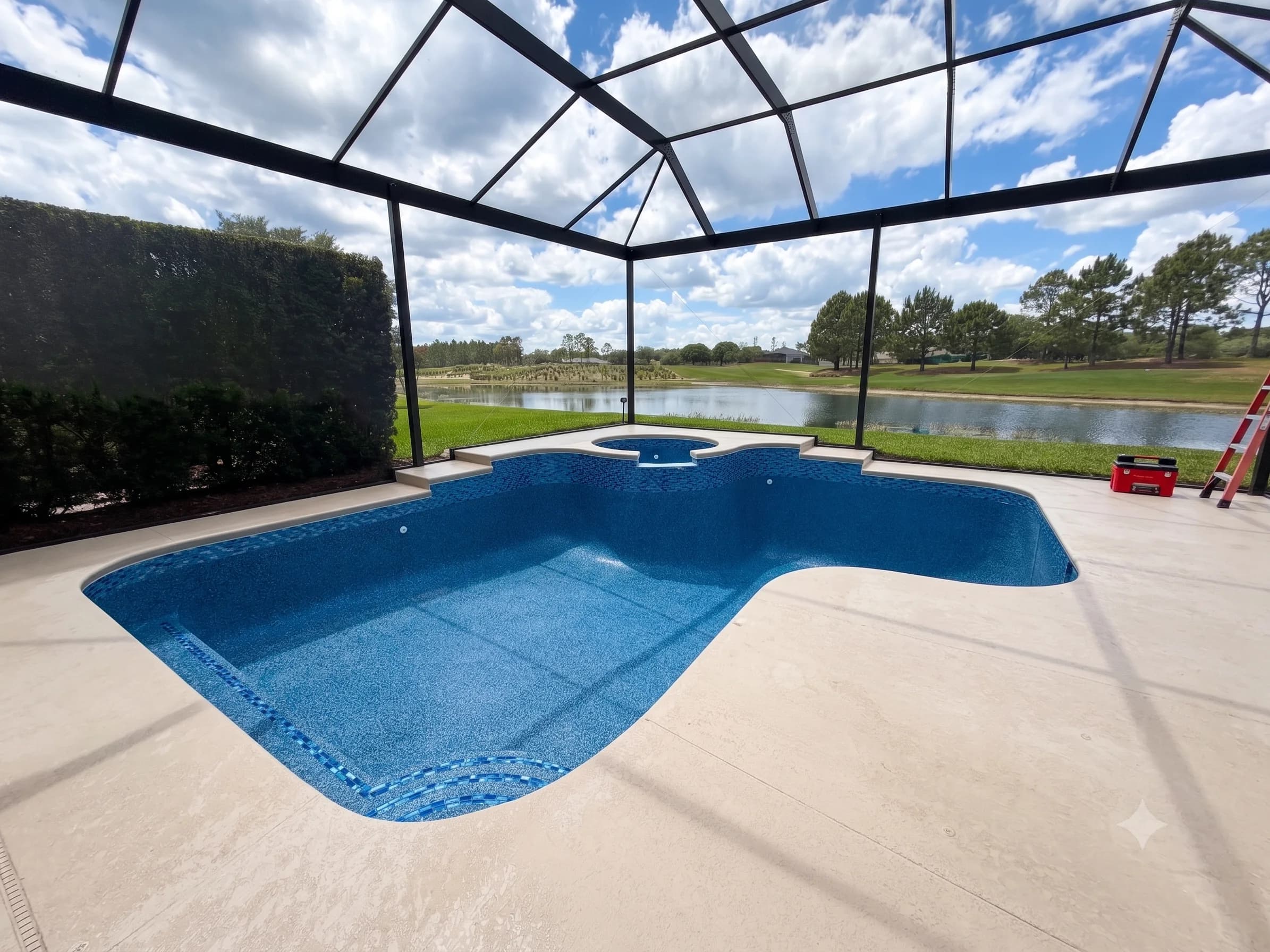
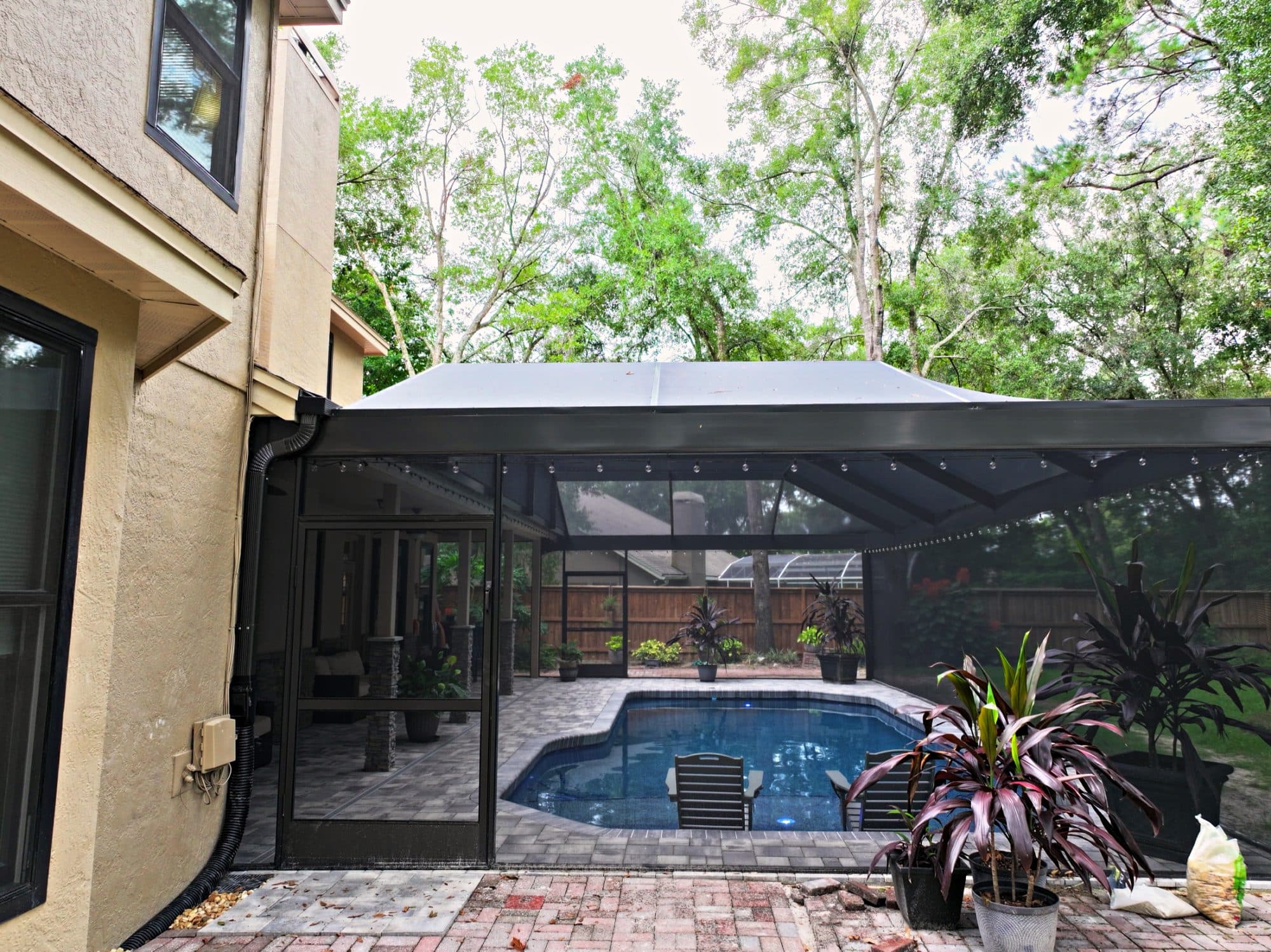
In Florida, a screen enclosure is often part of the backyard plan, and it brings its own rules.
Enclosures usually need their own permit. Osceola County's permit information page lists "pool, pool screen enclosure" among residential work requiring a permit, and Orlando applies setbacks to screen enclosures even when there's no pool.
Florida law also requires every new residential pool to have at least one approved safety feature to pass final inspection. Under section 515.27, Florida Statutes, options include a barrier that meets state requirements, an approved safety cover, exit alarms on doors and windows that open to the pool, self-closing and self-latching doors, or a certified pool alarm.
Can the Equipment Get In?
Excavators, trucks and concrete equipment need a path into the backyard. Gate width, fences, trees, an AC unit or a narrow side yard can complicate access. It rarely stops a project, but it can change the method and what has to be removed and restored afterward.
What a Site Visit Evaluates
A visit from a licensed contractor fills in what research can't. At D&J, when we look at a yard for new pool construction, we look at:
- Property lines and easements against your survey
- The house, existing structures, screen and roof lines
- Septic, well, and utility locations
- Grade, drainage and signs of a high water table
- Equipment access and staging space
- Where the pool equipment pad can go
- Your HOA's requirements
- How you actually want to use the space
From there, we give you a written, itemized quote. You can verify our CPC license, CPC1459797, before you hire anyone. For the permit side in detail, read How to Get a Pool Construction Permit in Orange County and Osceola County, FL.
Frequently Asked Questions
Who decides how close a pool can be to my property line?
Your local zoning code. That's the city code if you're inside city limits, or the county code if you're in an unincorporated area. Your HOA can add stricter rules on top.
Can I build a pool over an easement?
Generally, pools, decks and enclosures are kept out of easements. Orlando's checklist, for example, does not allow screen enclosures in any easement. Check your survey and confirm with your permit office.
I have a septic system. Can I still have a pool?
Often yes, but the location has to respect state septic setbacks and keep the drainfield intact. Find out exactly where your tank and drainfield are before designing.
Does a high water table mean I can't have a pool?
Not necessarily. It's common in Central Florida and is handled with proper construction methods and engineering. It does need to be evaluated before you build.
Do I need to call 811 myself?
Florida requires a locate request before digging. On a pool project your contractor typically handles it, but ask who will file the ticket.
Find Out If Your Yard Is Ready
You don't need to have every answer before you call. But the more of these questions you've looked at, the faster and more accurate your estimate will be.
Want a first look? Sketch an idea in the free Brito Pool Builder, then request a free estimate and we'll come see your yard in person. Call (689) 358-9790. Se habla español.
Written and reviewed by
D&J The Pool Resurfacers
A Florida-licensed pool contractor and certified PebbleTec applicator that resurfaces, remodels and builds pools across Central Florida, working with pebble, quartz and polished finishes.
- Florida Certified Pool/Spa Contractor
- CPC1459797 · Verify the license on MyFloridaLicense.com
- PebbleTec
- Certified PebbleTec applicators
- Last updated
Why trust this article: it’s written by the licensed crew that does this work in Central Florida, and it only states what we do on our own jobs — pebble, quartz and polished finishes. More about D&J