How Much Space Do You Need for a Pool? Smart Options for Small Yards
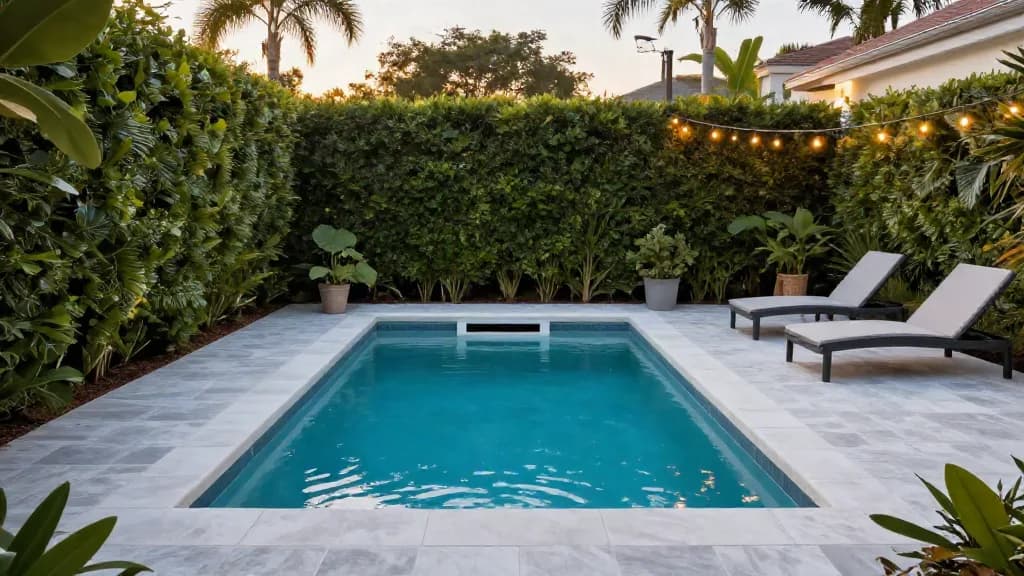
The pool is only part of the footprint. The deck around it, the equipment that runs it and the rules that apply to your lot all need room too.
"Is my yard big enough for a pool?"
It's one of the most common questions we hear, and the honest answer is: it depends less on the size of your yard than on how much of it you can actually use.
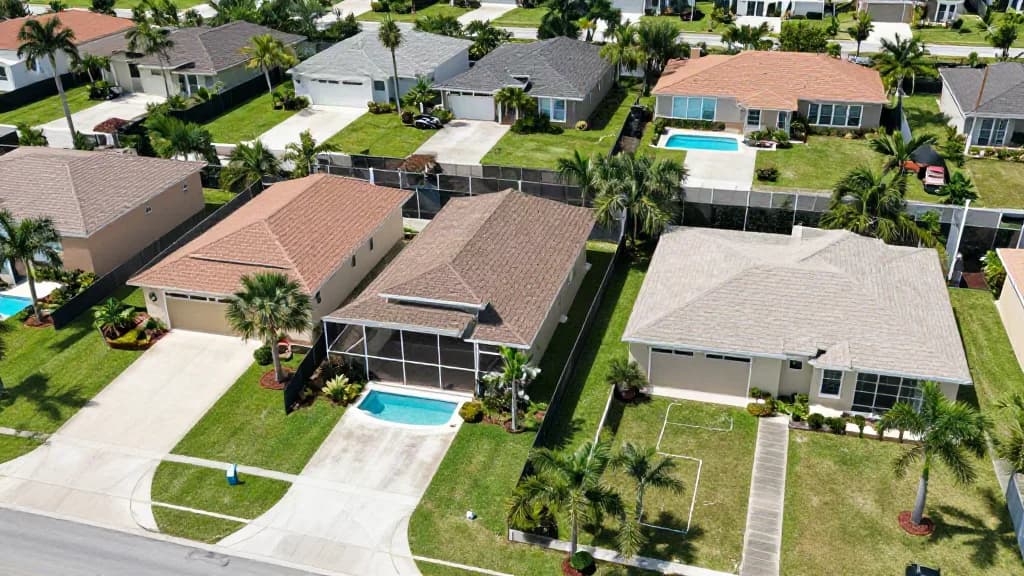
A backyard that looks generous from the patio door can shrink quickly once you account for setbacks, easements, a walkway around the water, and a spot for the pump and filter. On the other hand, plenty of small Central Florida yards have room for a well-designed compact pool.
Here's how to figure out what fits yours.
Quick answer: There's no single minimum yard size for a pool. Start with your lot, subtract the setbacks and easements that apply to your property, then subtract room for the deck, the equipment pad and access. What's left is your real pool zone. On small lots, plunge pools, spools, lap pools and designs with a sun shelf can deliver a lot of use in a compact footprint. A free 3D design tool and a site visit will tell you what truly fits.
Step 1: Find Your Usable Space, Not Just Your Yard Size
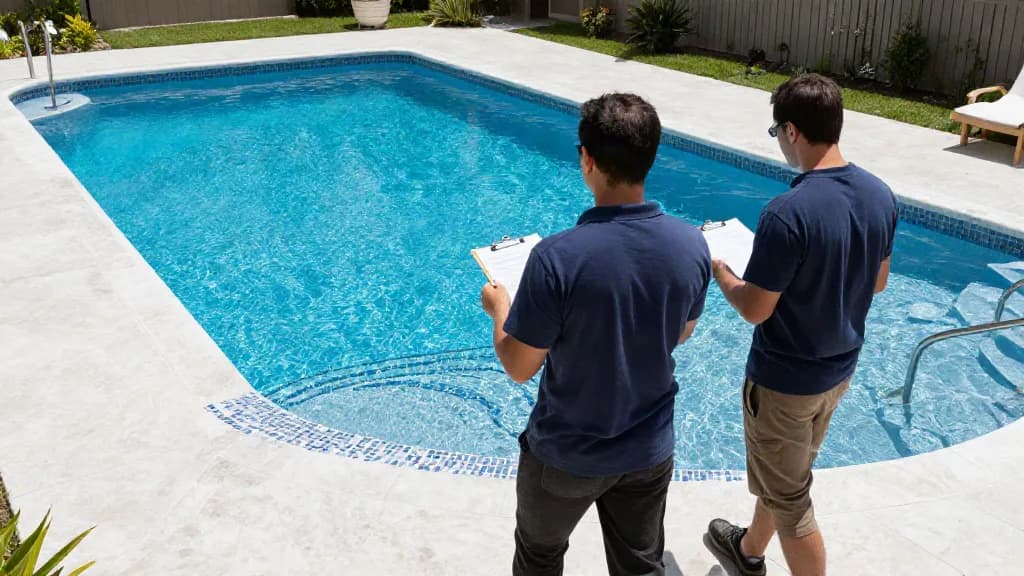
Grab your property survey and a tape measure.
Your survey shows property lines, the house footprint and recorded easements. Then look up the setbacks for your address. Those rules come from your city or county zoning code, not from a builder, and they vary by jurisdiction, zoning district and lot type. In unincorporated Orange County, the Orange County Zoning Division points to Chapter 38 of the county code and offers a zoning lookup. Inside Orlando city limits, the city's residential pool checklist lays out its own pool, deck and screen enclosure setbacks. Rules change, so confirm with your jurisdiction.
Then work through it on paper:
| Measurement | Your yard |
|---|---|
| Backyard width (side line to side line) | ______ |
| Backyard depth (back of house to rear line) | ______ |
| Minus required side and rear setbacks | ______ |
| Minus easements along the lot lines | ______ |
| Minus septic tank and drainfield area (if any) | ______ |
| Minus space kept clear for AC units, doors and windows | ______ |
| Usable zone for pool + deck | ______ |
Whatever remains is the box where both the water and the hardscape have to live.
Step 2: Remember the Deck Takes Space Too
People picture the water. They forget the walkway.
A pool needs deck around at least part of its edge so you can walk, enter safely, clean, and place a chair or two. How wide is up to the design, but every foot of deck comes out of the same usable zone as the pool itself.
A few things to keep in mind:
- Access path: You'll want a comfortable route from the back door to the pool steps.
- Furniture: Lounge chairs and a small table need more room than a walkway. Decide where they'll go before sizing the pool.
- Screen enclosure: If you're adding one, the enclosure sits on or near the deck edge and has its own setback rules.
- Hardscape limits: Some jurisdictions cap how much of a lot can be covered with hard surfaces. Orlando's checklist, for example, includes an impervious surface ratio and explains which features count toward it.
Sometimes the better trade is a slightly smaller pool with a deck you'll actually enjoy. Our decking and outdoor living work starts from that same question.
Step 3: Save a Spot for the Equipment Pad
The pump, filter, heater (if you add one) and electrical controls need a home.
The equipment pad is usually beside the house or along a side yard. It needs to be reachable for service, have room for ventilation, and follow local placement rules. Orlando's checklist, for instance, requires equipment to be screened from view of the street, common areas, lakes and neighboring property, keeps it out of drainage swales and similar easements, and sets clearances from overhead utility lines.
On narrow lots, the equipment location can be the deciding factor, so plan it early.
Small Pool Options That Work in Central Florida Yards
A smaller footprint doesn't mean a smaller experience. It means a more intentional design.
Plunge Pools
A plunge pool is built for cooling off, sitting and socializing rather than swimming laps. It's compact, often deeper in places than you'd expect for its size, and pairs well with built-in benches and lighting.
Best for: couples, small households, and yards where the main goal is relief from the Florida heat.
Spools (Cocktail Pools)
A spool is a small pool that can work like a spa. Add heating and jets, and you have a place to relax in cooler months and cool off in summer.
Best for: people who want both a pool and a spa but only have room for one.
Lap Pools
A lap pool is long and narrow. If your yard is deep but not wide, or you have a strip along one side of the house, a lap pool can fit where a traditional shape can't.
Best for: swimmers and fitness-minded homeowners with long, narrow spaces.
Sun Shelf Designs
A sun shelf (also called a tanning ledge) is a shallow area inside the pool where you can lounge in a few inches of water, set a chair, or let young kids play close to the steps.
On a small lot, a sun shelf does double duty: it adds a lounging zone without adding deck. It's one reason we explore sun shelves so often in compact designs, as we discussed in The Backyard Pool Is Changing in Central Florida. Bigger Isn't Always Better.
Geometric Shapes
Rectangles and clean geometric shapes tend to use a small yard more efficiently than freeforms, because they line up with the house, fences and property lines and leave fewer awkward leftover corners.
Step 4: Test Sizes on Your Own Yard With the 3D Builder
This is where most homeowners save themselves a lot of guesswork.
The free Brito Pool Builder lets you design a pool in 3D before calling anyone. Type your address and it can load the public aerial photo of your property, so you can place a pool shape right on your own backyard, resize it, add a sun shelf or spa, and see how much room is left for deck.
One honest caveat that the tool itself points out: aerial photos can be off by a few feet. For a more accurate fit, measure one thing you know, such as the length of your house, a fence or the driveway, and use it as a reference. The 3D design is a concept. Setbacks, easements and exact measurements still have to be confirmed on site.
Even so, walking into an estimate with a design you've already played with makes the conversation faster and more productive.
What to Bring to Your Estimate
To get the most accurate answer about what fits, have these ready:
- Your property survey (with easements shown, if available)
- Your HOA's architectural guidelines, if you have an HOA
- Septic or well information, including the approximate location of the drainfield
- Your 3D design or a link to it from the Pool Builder
- A list of priorities: swimming, lounging, a spa, kids' play, entertaining
- Photos of the side yards and gate, so access can be discussed
At D&J The Pool Resurfacers, we've served Central Florida since 2014, and our CPC license is CPC1459797. After seeing your yard, we provide a written, itemized quote. You can also visit our showroom at 5610 Carder Rd in Orlando to choose tile and finish in person.
Frequently Asked Questions
What's the minimum yard size for a pool?
There isn't a universal minimum. What matters is the usable space left after your local setbacks, easements, deck, equipment pad and access are accounted for.
Can I put a pool in a narrow side yard?
Sometimes. A lap pool or narrow geometric design may fit, as long as setbacks, easements and equipment placement work. A site visit will confirm.
Does a sun shelf make a small pool feel bigger?
It adds a lounging area inside the water, which can replace some of the deck space a small yard can't spare.
Where does the pool equipment go?
Usually beside the house or along a side yard, where it can be serviced and meets local rules for screening and placement.
How accurate is the aerial photo in the Pool Builder?
It's a helpful starting point, but aerial images can be off by a few feet. Calibrate it by measuring something you know, and expect final measurements to be confirmed on site.
Is a smaller pool easier to maintain?
Less water and surface area generally means less to clean and treat, though equipment and finish choices also matter.
Start With the Space You Have
A small yard isn't a dead end. It's a design brief.
Try sizes on your own lot in the free Brito Pool Builder, then request your free estimate and we'll measure in person. Call (689) 358-9790. Se habla español.
Written and reviewed by
D&J The Pool Resurfacers
A Florida-licensed pool contractor and certified PebbleTec applicator that resurfaces, remodels and builds pools across Central Florida, working with pebble, quartz and polished finishes.
- Florida Certified Pool/Spa Contractor
- CPC1459797 · Verify the license on MyFloridaLicense.com
- PebbleTec
- Certified PebbleTec applicators
- Last updated
Why trust this article: it’s written by the licensed crew that does this work in Central Florida, and it only states what we do on our own jobs — pebble, quartz and polished finishes. More about D&J