How Long Does Pool Resurfacing Take?
Most homeowners ask this question at the worst possible time — right before a birthday party or a family reunion with the pool as the centerpiece. If that’s you, take a breath. Pool resurfacing in Central Florida takes 3–4 days of hands-on work and about a month and a half from the first day until you can swim, chemical start-up included, and knowing exactly what happens at each stage makes the whole process far less stressful. The timeline isn’t random. Every phase has a reason, and skipping or rushing any of them is the fastest way to end up with a surface that looks great for six months and falls apart in year two. Here’s the complete breakdown — no vague estimates, no filler — so you can plan with confidence.
Why the Timeline Matters More Than You Think
Planning a pool resurfacing project without understanding the timeline is like scheduling a renovation without knowing how long it takes. You end up either rushing the crew or blocking off twice the time you need. In Florida, where the pool season runs most of the year, every day out of the water has real cost — to your family’s routine, to summer plans, to the value you’re getting from your backyard.
The good news: when resurfacing is done by an experienced contractor with proper scheduling, the hands-on work takes 3–4 days and most homeowners are back in the water about a month and a half after the first day, chemical start-up included. Here’s what that window looks like day by day.
The Complete Pool Resurfacing Timeline — Day by Day
Day 1: Assessment and Draining
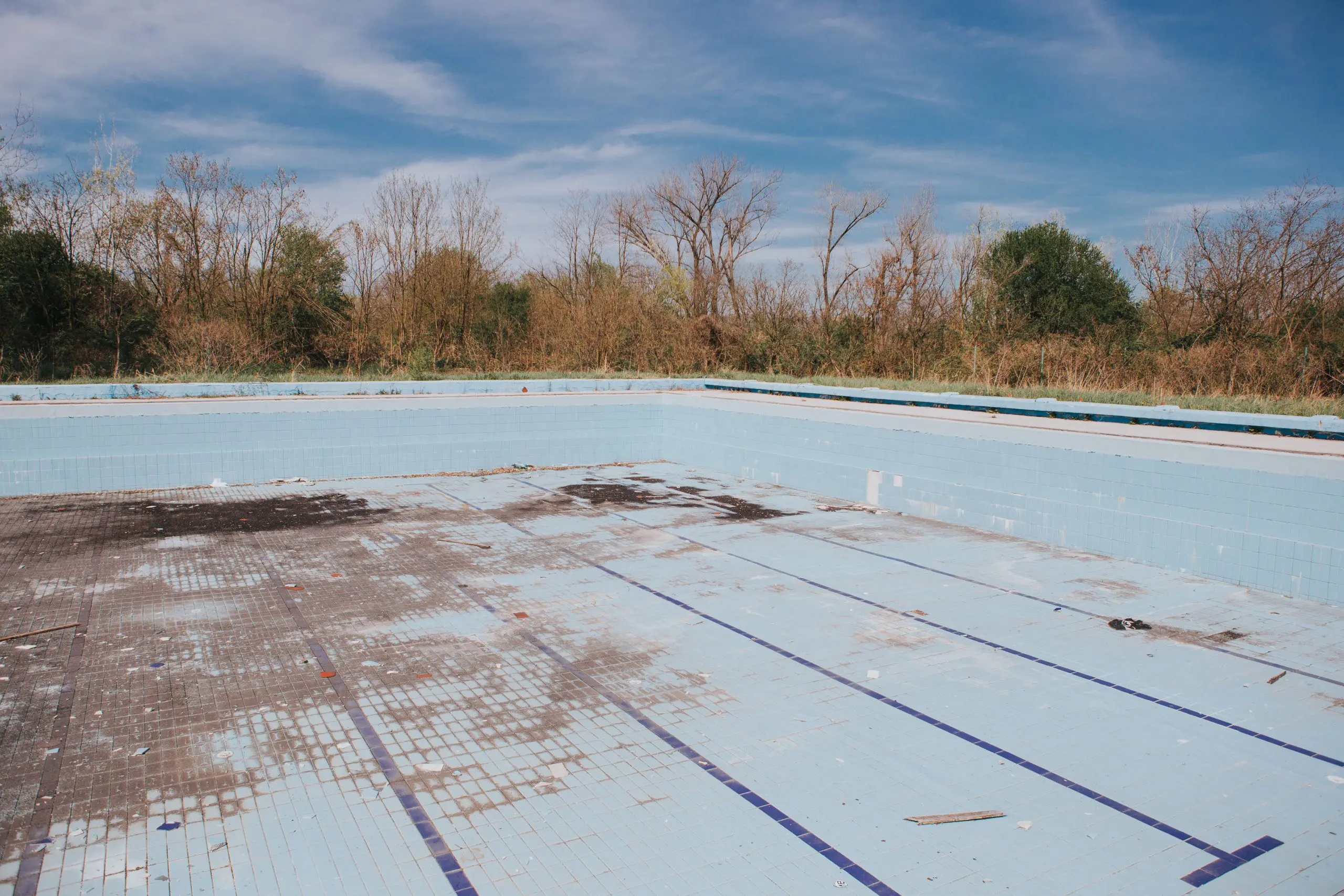
Before any crew touches your pool surface, a qualified contractor inspects the shell — looking for cracks, structural damage, or repairs that need to happen before the new finish goes on. Skipping this step is how surprise costs appear mid-project.
Then comes draining. Depending on your pool size and the equipment used, this takes anywhere from 6 to 12 hours. For a standard residential pool in Orlando or the surrounding areas, plan for one full day.
Days 2–4: Surface Preparation
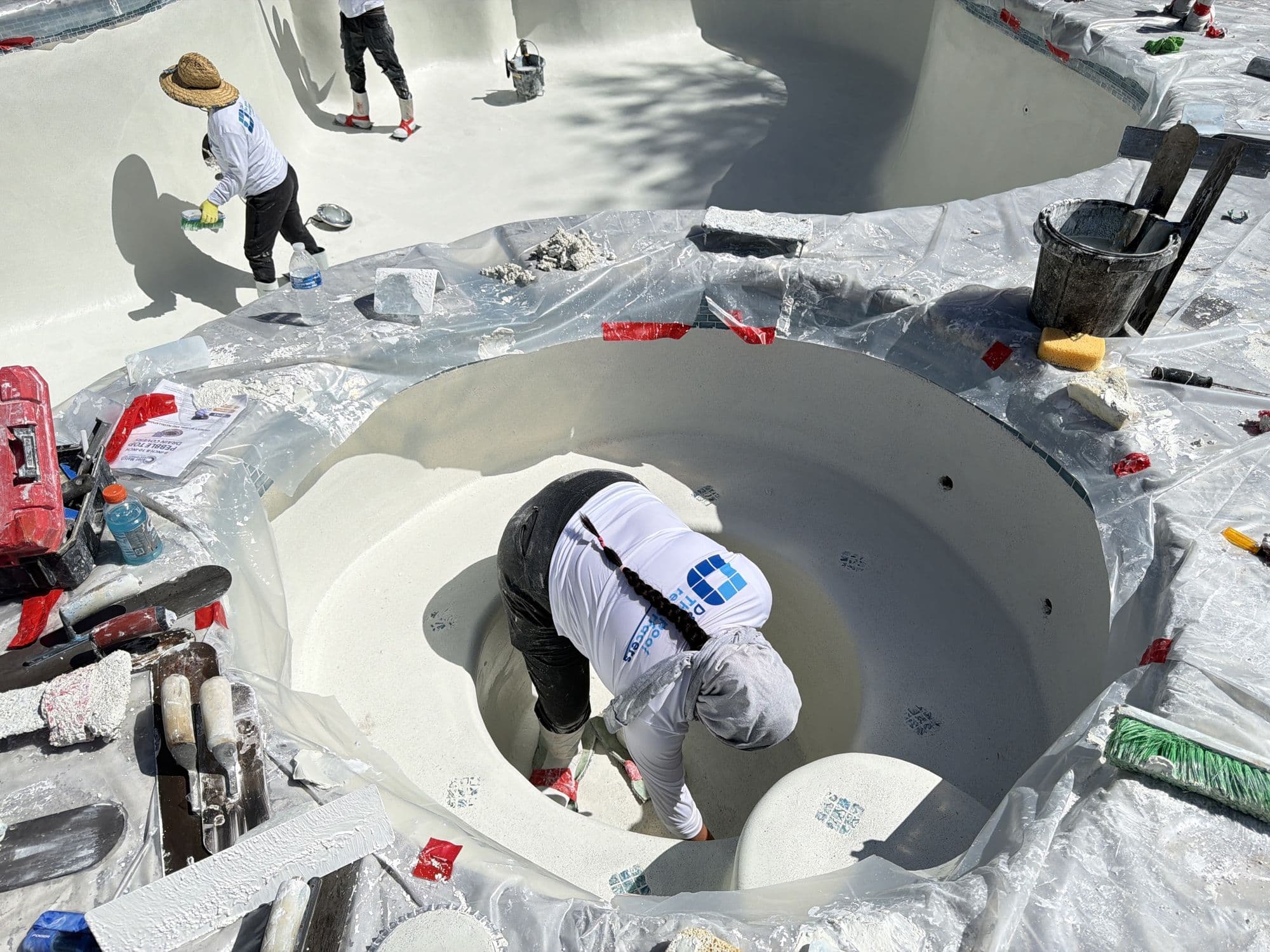
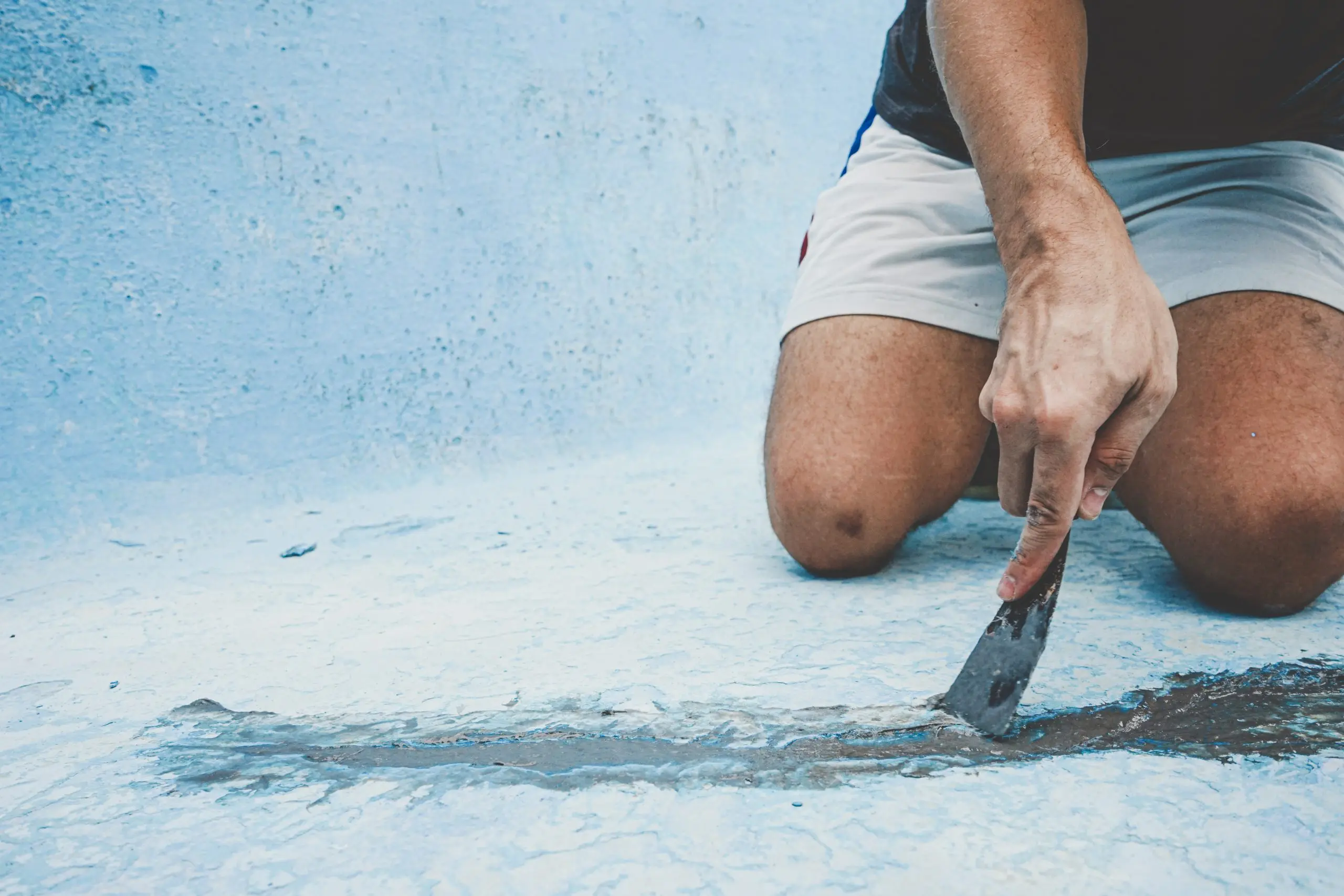
This is the phase that determines everything. The old surface is chipped away — mechanically — down to the shell. Any cracks, hollow spots, or damaged areas are repaired before anything new goes on.
This stage takes three to five days and is the most labor-intensive part of the process. It’s also where unexpected issues surface, literally. A reputable contractor tells you what they find and adjusts the scope accordingly. If a company gives you a firm completion date before doing prep, be skeptical.
Days 4–7: Application of the New Finish
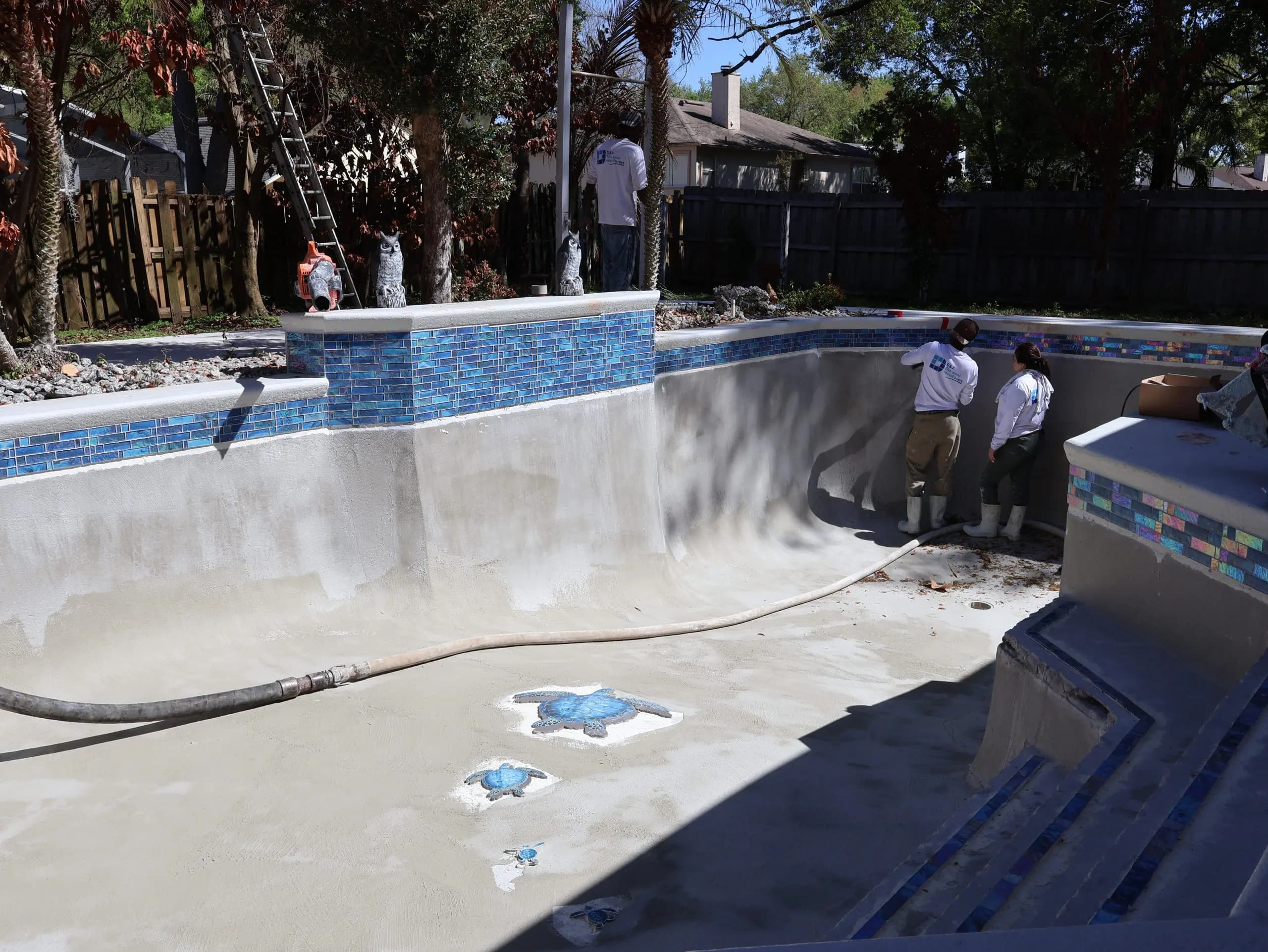
Once the shell is clean and repaired, the new finish is applied. The material you choose affects both the timeline and the result:
- Plaster: Fastest to apply. Smooth finish, classic look. Ready to fill within 24 hours of application
- Quartz blend: Mid-range timeline. More durable and stain-resistant than standard plaster
- PebbleTec: The most precise application — and one of the most durable. D&J The Pool Resurfacers is a certified PebbleTec applicator, and PebbleTec backs that finish with a 25-year warranty. It takes longer to apply than standard plaster, but the surface lasts significantly longer and holds up better under Florida’s chemical and UV exposure.
Days 7–10: Refilling and Water Startup
Here’s something many homeowners don’t know: fresh pool plaster cannot cure in open air. It must cure underwater. The pool needs to be refilled immediately after application — any delay can cause the surface to dry unevenly, crack, or develop white spots.
Refilling takes 12 to 48 hours depending on pool volume and water pressure. Once full, water chemistry is balanced carefully over several days. This startup phase is not a formality — it directly impacts how the surface cures and how it performs over the next decade.
Days 10–14: Curing and Final Clearance
After chemistry is stabilized, the surface needs time to cure fully before anyone swims. At D&J, plan on about a month and a half from the first day of work until you can swim, chemical start-up included. Swimming too early can damage the finish or cause skin irritation from residual chemical imbalance.
During this period, brush the walls and floor gently once or twice a day to remove plaster dust and help the surface cure evenly. Your contractor should walk you through this — it’s part of the job, not an afterthought.
What Can Extend the Timeline?
Even with the best planning, certain factors can add days to the project. Knowing them upfront helps you build a realistic buffer:
- Pool size and shape: Larger pools and custom freeform designs take longer to prep and apply than standard rectangular pools
- Finish type: PebbleTec and premium aggregates require more precise application and longer startup than plaster
- Structural damage: If cracks or hollow spots are found during prep, repair work adds time — but skipping it would cost you far more down the line
- Florida weather: Rain during application or immediately after can stain or wash away a fresh surface. Extreme heat can cause plaster to dry too fast. A good contractor monitors forecasts and adjusts accordingly
- Scheduling demand: From May through August, Central Florida pool contractors are fully booked. Projects started in peak season often wait longer for a start date
The Best Time to Resurface a Pool in Central Florida
The window that gives you the most control is March through early May. Weather is stable, contractor schedules are more flexible, and your pool will be ready before the peak summer season starts.
If you’re already in summer and your pool needs attention, don’t put it off until next year. Contact us now and we’ll find the earliest available window to get you back in the water.
Frequently Asked Questions About Pool Resurfacing Time
Can I swim right after pool resurfacing? No. Wait until the chemical start-up is complete: about a month and a half from the first day of work. The surface needs time to cure fully, and the water chemistry needs to stabilize. Swimming too early can damage the finish and irritate skin.
Does weather affect how long pool resurfacing takes in Florida? Yes — more than in other states. Florida’s heat, humidity, and afternoon rainstorms all affect curing. An experienced local contractor like D&J builds weather monitoring into their scheduling process.
How long will the new surface last? A properly applied and well-maintained pool surface lasts 10 to 15 years. Premium finishes like PebbleTec can last longer. The startup process and water chemistry in the first weeks after resurfacing have a significant impact on long-term durability.
Do I need a permit for pool resurfacing in Florida? It depends on the project. Some resurfacing jobs require permits and some don’t — we’ll confirm exactly what applies during the initial assessment before any work begins.
our complete pool resurfacing services
Plan Your Resurface With Confidence
Now you have the full picture. Most homeowners are back in the water about a month and a half after the first day of work. The earlier you schedule, the more control you have over your start date and the less of the summer you miss.
D&J The Pool Resurfacers has been doing this work in Central Florida for over 20 years — with the PebbleTec certification and the track record to back it up. We give you a specific timeline based on your pool’s actual condition, not a number pulled from a brochure.
Call us at (321) 360-4867 for a free estimate — or contact us at dandjthepoolresurfacers.com/en/contact-pool-resurfacing-in-orlando/
Written and reviewed by
D&J The Pool Resurfacers
A Florida-licensed pool contractor and certified PebbleTec applicator that resurfaces, remodels and builds pools across Central Florida, working with pebble, quartz and polished finishes.
- Florida Certified Pool/Spa Contractor
- CPC1459797 · Verify the license on MyFloridaLicense.com
- PebbleTec
- Certified PebbleTec applicators
- Last updated
Why trust this article: it’s written by the licensed crew that does this work in Central Florida, and it only states what we do on our own jobs — pebble, quartz and polished finishes. More about D&J