Pool Resurfacing in Florida: Why Heat and Chlorine Destroy Your Finish Faster
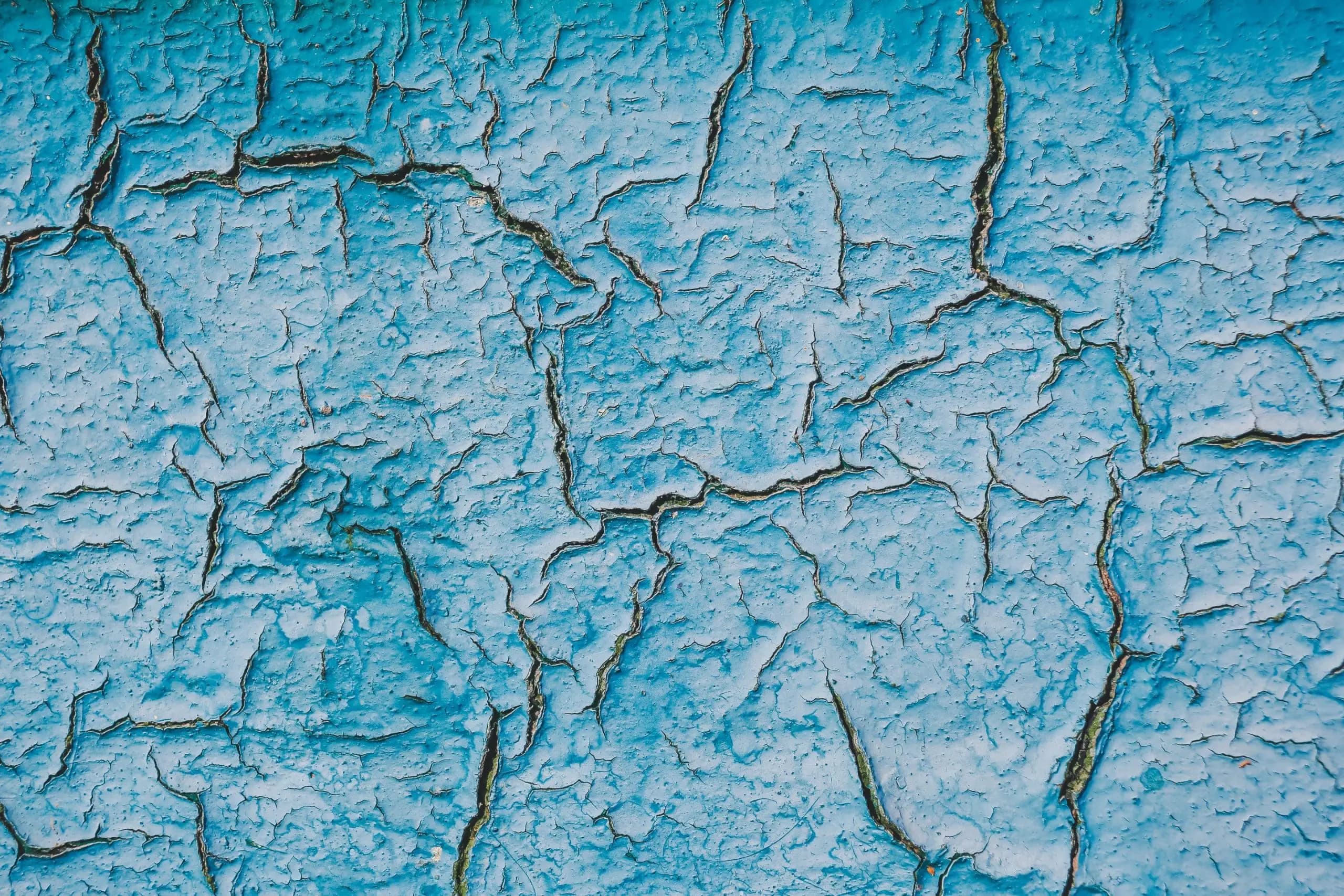
If you moved to Florida from another state and your pool needed resurfacing sooner than expected, you are not imagining things. Pool surfaces in Florida deteriorate significantly faster than in cooler or drier climates — and the reason has nothing to do with the quality of the installation. It has everything to do with what Florida’s environment does to pool chemistry every single day. Understanding the science behind this accelerated wear helps you make smarter decisions about when to resurface, what materials to choose, and how to protect your investment. This is what Florida homeowners need to know.
The Science Behind Accelerated Pool Surface Damage in Florida
UV Radiation Burns Through Chlorine — Fast
The Florida sun destroys chlorine rapidly. An untreated outdoor pool can lose most of its active chlorine within hours on a clear summer day. This is not a Florida myth — it is a documented chemical reality. When free chlorine depletes faster than it can be replenished, the water becomes unbalanced. And unbalanced water does not just create a sanitation problem. It attacks your pool surface directly.
When temperatures push past 90°F, chlorine burns off faster than it would in cooler regions. Intense UV exposure from Florida’s near-constant sunshine breaks down free chlorine at the surface even quicker. For most of the year in Central Florida, temperatures regularly exceed that threshold — which means pool owners are fighting a daily battle that homeowners in states like Virginia or Colorado simply do not face at the same intensity.
Heat Makes Every Chemical Reaction More Aggressive
Sustained heat above 90°F, near-daily thunderstorms during the June through September wet season, and ambient humidity levels routinely exceeding 80% accelerate chemical depletion, amplify biological growth, and stress sanitizer systems in ways that differ materially from pool chemistry in temperate climates.
What this means in practice: the same plaster surface that might last 12 to 15 years in a pool in New Jersey or Colorado can begin showing significant wear in a Florida pool within 7 to 10 years. The exposure is simply not comparable.
Florida Rain Is Acidic — and It Hits Your Pool Daily
Frequent afternoon thunderstorms introduce acidic rain with a pH between 5.0 and 5.5 into your pool, causing alkalinity to drop and pH to crash. This creates corrosive water that can damage pool plaster, grout, and metal components.
During Florida’s rainy season — June through September — afternoon storms are nearly daily. Each one introduces a dose of acidic water into your pool. Without immediate chemical correction, that water becomes corrosive. Over months and years, the cumulative effect on a plaster or quartz surface is significant.
Florida vs. Other States: A Direct Comparison
A pool surface in Minnesota is frozen for four to five months a year. During that time, it is not being subjected to UV radiation, chemical demand, or acidic rain. A Florida pool has no such reprieve. It is exposed to aggressive environmental conditions 365 days a year.
Consider the key differences:
- UV exposure: Florida averages more than 230 sunny days per year. States like Oregon or Michigan average fewer than 140. Every additional sunny day is another day of accelerated chlorine depletion and UV stress on your pool finish
- Water temperature: Florida pool water routinely reaches 85°F to 90°F in summer. At those temperatures, chemical reactions happen faster, algae grows more aggressively, and the water’s ability to hold a stable chemical balance decreases
- Rainfall acidity: Rainwater in Florida is typically acidic, which aggressively targets your pool’s total alkalinity — the buffer that keeps pH stable. When heavy rain dilutes this buffer, your pH becomes volatile and can crash below 7.0, creating conditions that actively erode pool surfaces.
- Year-round use: A Florida pool that is used and maintained every month of the year accumulates wear at a rate that pools in seasonal climates never reach
How Chlorine Specifically Damages Pool Surfaces Over Time
Most homeowners think of chlorine as a protector — it keeps the water clean and safe. That is true. But chlorine is also a powerful oxidizing agent, and over years of direct contact with your pool surface, it contributes to wear in ways that are invisible until the damage is significant.
When standard plaster is exposed to chlorine, it can deteriorate with time. Plaster is known to discolor, stain, and collect bacteria because its porous surface is difficult to clean. In Florida’s environment, where chlorine demand is higher and water temperatures accelerate chemical reactions, this deterioration happens faster than manufacturer timelines suggest. T
Low calcium hardness causes water to become aggressive, pulling minerals from your pool plaster, grout, and equipment. High calcium leads to cloudy water and stubborn scale on surfaces and tile lines. Local tap water in Florida often runs on the harder side, so calcium hardness requires consistent monitoring.
The combination of high UV, high heat, acidic rain, and aggressive water chemistry creates conditions that wear down pool surfaces from multiple directions simultaneously.
Warning Signs That Florida’s Climate Has Damaged Your Pool Surface
Because Florida’s environment is so demanding, the signs of surface failure can appear earlier than expected. Here is what to look for:
- Surface feels rough or sandpaper-like when you run your hand along the walls or floor
- Stains that return quickly after chemical treatment or do not respond at all
- Visible white calcium deposits forming at the waterline
- Chalky residue coming off the walls when you brush them
- Fading or uneven color across different areas of the pool
- Small cracks or chips appearing in the plaster
- Water loss beyond normal evaporation levels
If your pool is showing two or more of these signs, the Florida climate has likely accelerated the natural aging of your surface. The earlier you address it, the less invasive and less expensive the solution.
The Right Finish for Florida’s Aggressive Environment
Not all pool finishes handle Florida’s conditions equally. Standard plaster — the most common and least expensive option — is also the most vulnerable. Its porous surface absorbs chemicals, stains more easily, and deteriorates faster under sustained UV and heat exposure.
A homeowner in Orlando switching from deteriorating plaster to PebbleTec reduced chemical treatments by approximately 20% and extended maintenance intervals from weekly to biweekly. Over 15 years, projected savings in chemicals, water, and labor exceeded the premium paid for PebbleTec installation.
At D&J The Pool Resurfacers, we work with pebble, quartz and polished finishes, engineered to withstand exactly the conditions Florida imposes. PebbleTec in particular carries a 25-year manufacturer warranty, which reflects the confidence the brand has in how it performs under sustained heat, UV, and chemical exposure. We are a certified PebbleTec applicator, and we do not work with pool paint under any circumstances — it is not a solution that holds up in Florida’s environment.
When to Act: Timing Your Resurfacing Project in Florida
Given the year-round nature of Florida’s climate, there is no true “off season” for pool resurfacing the way there is in northern states. That said, the best window for scheduling in Central Florida is March through early May. Weather is more stable, contractor schedules have more availability, and your pool will be ready before peak summer use.
If your pool is already showing signs of surface damage, waiting until next spring is a risk. Florida’s rainy season and sustained summer heat will continue accelerating the deterioration. A surface that needs resurfacing today will need more extensive repairs in six months.
Protect Your Pool Before Florida’s Climate Does More Damage
Florida’s environment is harder on pool surfaces than almost anywhere else in the country. The good news is that with the right finish and the right timing, your pool can be restored and protected for the long term.
D&J The Pool Resurfacers has been working with Central Florida pools since 2014. We are certified PebbleTec applicators — meaning every PebbleTec installation we do carries a 25-year manufacturer warranty. We will inspect your pool, tell you exactly what Florida’s climate has done to your surface, and give you a clear recommendation with no pressure.
Written and reviewed by
D&J The Pool Resurfacers
A Florida-licensed pool contractor and certified PebbleTec applicator that resurfaces, remodels and builds pools across Central Florida, working with pebble, quartz and polished finishes.
- Florida Certified Pool/Spa Contractor
- CPC1459797 · Verify the license on MyFloridaLicense.com
- PebbleTec
- Certified PebbleTec applicators
- Last updated
Why trust this article: it’s written by the licensed crew that does this work in Central Florida, and it only states what we do on our own jobs — pebble, quartz and polished finishes. More about D&J