Pool Resurfacing in Saint Cloud, FL: What Homeowners Need to Know
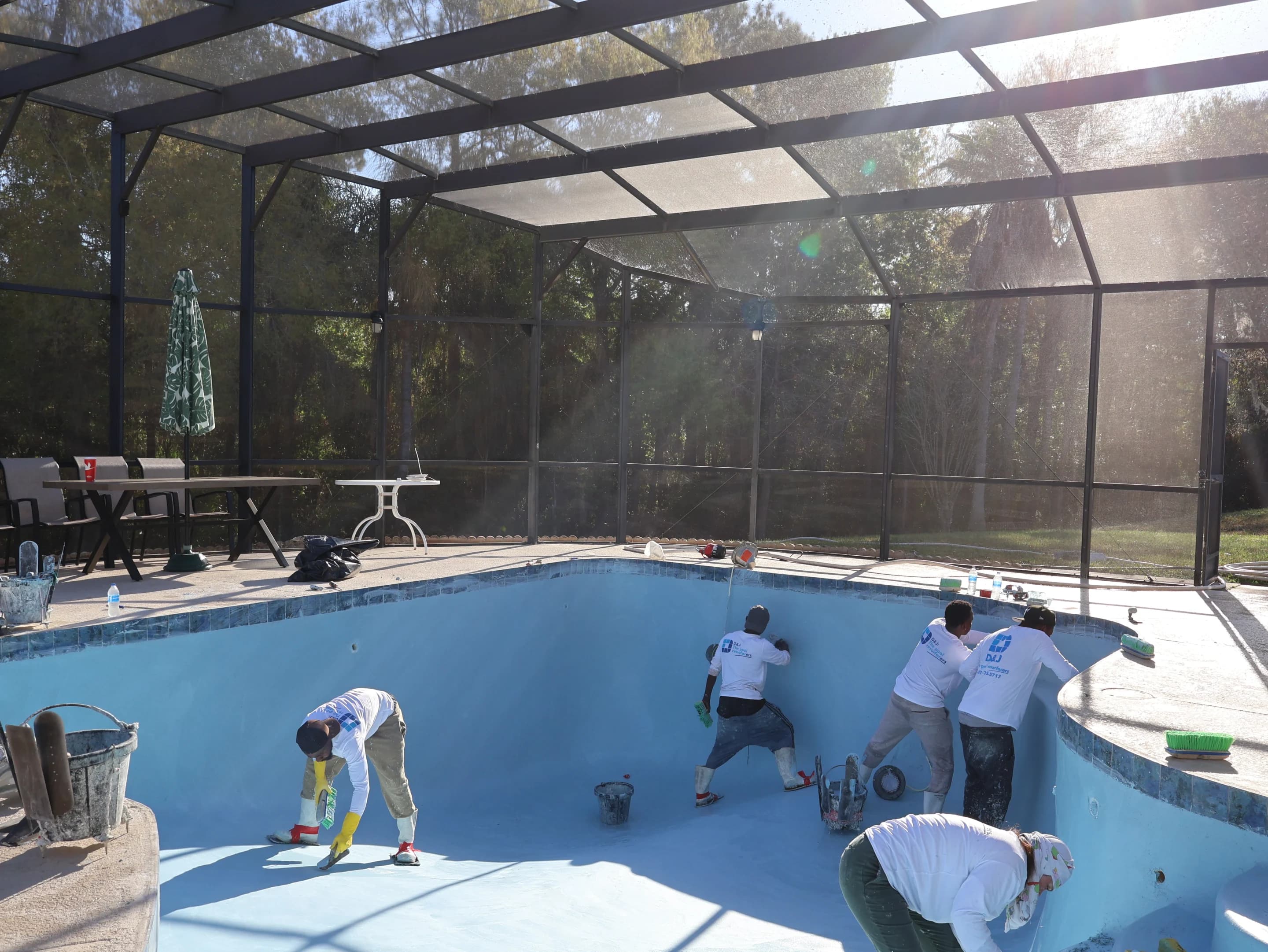
If you live in Saint Cloud, FL, your pool is exposed to year-round sun, heavy rain, humidity, and constant use. Over time, even the best-built pools begin to show signs of wear—fading color, rough surfaces, stains, and small cracks that slowly become bigger problems.
Pool resurfacing is not just about aesthetics. It's about restoring the structural integrity of your pool, improving safety, and extending its lifespan. For homeowners in Central Florida, resurfacing is one of the most important maintenance investments you can make.
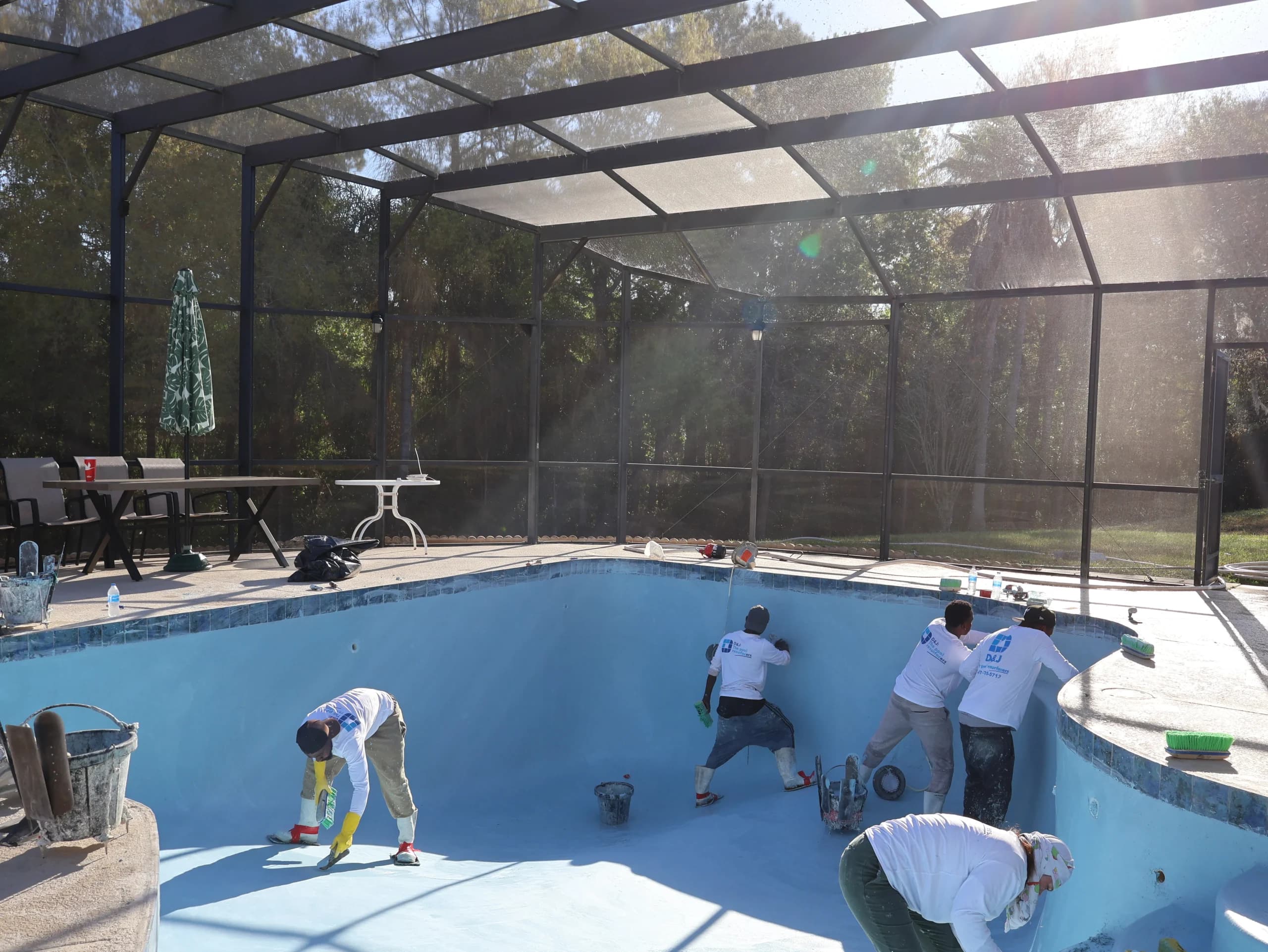
In Saint Cloud, pool resurfacing demand has increased as homeowners prioritize outdoor living spaces that feel modern, clean, and resort-like. Whether you are dealing with an older plaster finish or upgrading to PebbleTec, the right contractor makes a significant difference in durability and long-term performance.
Quick answer: Pool resurfacing in Saint Cloud, FL typically involves removing the old surface, repairing the structure, and applying a new finish such as plaster, quartz, or PebbleTec. The process usually takes 5–7 days depending on pool size and material choice. It improves durability, appearance, and water quality while extending the pool's lifespan.
Step-by-Step Pool Resurfacing Timeline: What Happens Each Day
Most homeowners picture a crew showing up, working for a few days, and leaving with a finished pool. The reality is more structured than that, and understanding each phase is exactly what separates a smooth project from a frustrating one.
DAY 1Draining and surface removal
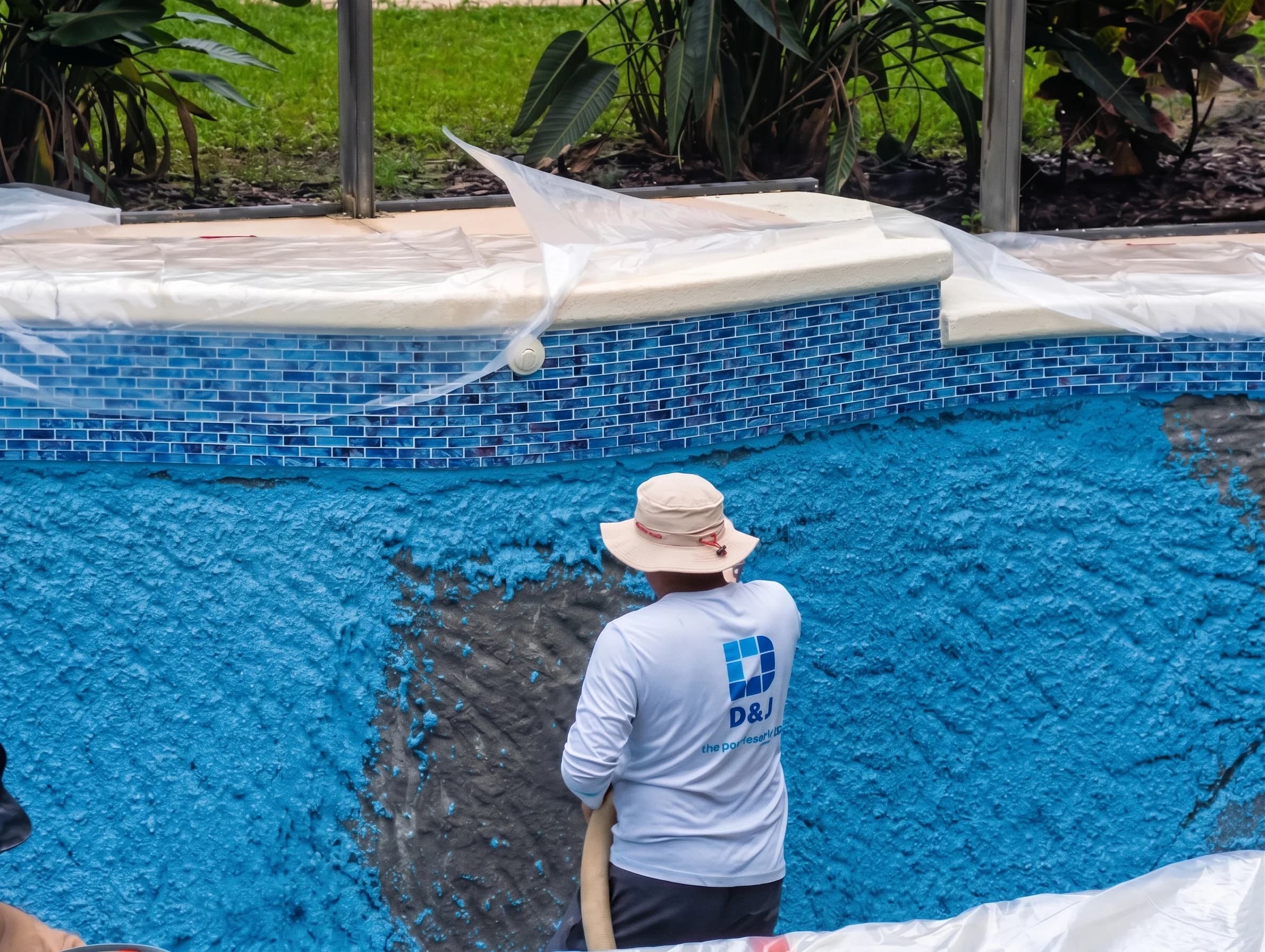
The pool is drained completely. The old surface — plaster, pebble, or whatever finish is there — is removed down to the concrete shell. A proper removal exposes the shell fully so any cracks, delamination, or structural issues can be identified and addressed before new material goes on.
DAY 2–3Repairs and preparation
Any cracks or imperfections in the shell are addressed. The surface is cleaned, profiled, and treated so the new finish bonds correctly. A pool with significant surface damage requires more time here — and that time is not wasted, it's what makes the new surface last.
DAY 3–4Application of the new finish
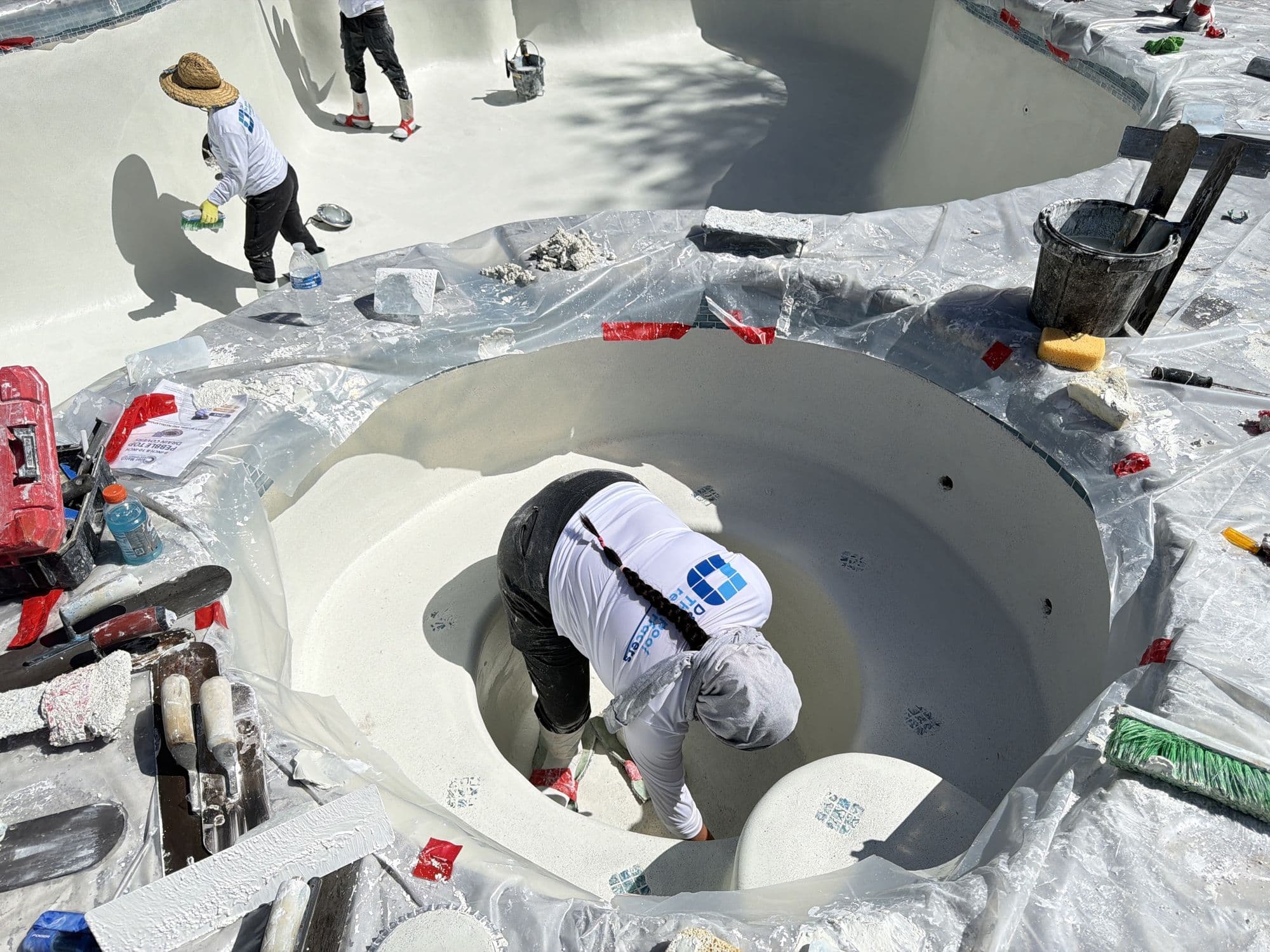
PebbleTec, Quartz, or plaster is applied to the prepared shell. For PebbleTec and Quartz, this requires certified applicators — D&J holds that certification. Application is typically completed in one working day for a standard residential pool.
DAY 4–6Initial cure and fill
After application, the surface needs a brief curing window before the fill begins. Once filling starts, it runs continuously — stopping partway through can leave a permanent waterline mark. A standard Central Florida pool fills in 12 to 24 hours.
WEEK 2–5Chemical startup
The pool is full and the crew is gone — but the process isn't finished. The startup period runs approximately four weeks and is as important as any day of physical work. This is the phase most homeowners don't hear about clearly enough before the project starts.
From drain to done: plan for 3 to 4 working days of hands-on work, plus four weeks of startup. The first swim happens around week two for most homeowners if the startup is managed correctly.
Why Curing Time Is the Phase That Determines How Long Your New Surface Lasts
Here's something that surprises almost every homeowner who goes through this process for the first time: the moment the crew finishes and the pool starts filling isn't the end of the project. It's the beginning of the most chemically sensitive phase — the period where what happens in the water determines whether that new surface lasts 5 years or 25.
A new pool surface — whether PebbleTec, Quartz, or plaster — is a cementitious material. It continues to cure and harden after it's applied, releasing minerals and compounds into the water as it hardens, while the water chemistry simultaneously conditions the surface. That interaction has to be managed carefully. If it isn't, the results show up fast.
Calcium scaling that forms on a fresh surface during an improperly managed startup is significantly harder to remove than scaling on a mature surface, because the surface itself is still hardening and more vulnerable to the aggressive treatments needed to remove deposits. Staining that develops in the first two weeks of a startup can become permanent in ways that staining on a three-year-old surface wouldn't.
This is why daily brushing of the entire pool surface during the first week to ten days of the startup isn't optional — it's part of the curing protocol. Brushing helps the surface cure evenly, prevents calcium from concentrating in one area, and keeps the water moving for consistent chemistry throughout the pool.
In Florida specifically, the curing phase is more demanding than in most states. High calcium hardness in Central Florida's water supply, intense UV exposure, and year-round temperatures that accelerate chemical reactions create a startup environment that requires active management, not passive waiting. The four weeks of startup are not a delay — they're the finish line of the project, and the foundation of everything that comes after.
What Can Delay Pool Resurfacing — and What It Means for Your Timeline
Nobody plans for delays. But in Florida pool resurfacing, a few specific factors can extend the timeline in ways that are worth knowing about before the project starts, not after.
What the shell reveals during surface removal
The most common source of unexpected timeline extension is what the contractor finds once the old surface comes off. Cracks, delamination, or deterioration that wasn't visible from the outside can require additional repair work before the new surface can be applied. A contractor who finds structural issues and addresses them properly is doing the job correctly. One who proceeds without addressing them is setting up the new surface to fail prematurely.
Weather during the application phase
Florida's afternoon storms don't check your project schedule. Rain during the application of a new finish — before the material has set — can cause streaking, uneven texture, and in some cases adhesion problems that only become visible later. D&J monitors forecasts closely during any active project and adjusts the application schedule if a system is developing. This is one of the reasons the October through February dry season produces more predictable project timelines.
Material selection and certification requirements
PebbleTec and Quartz finishes have specific application requirements that affect scheduling. As a certified PebbleTec applicator, D&J follows the manufacturer's protocol precisely, which includes conditions that must be met before application begins. If conditions aren't right on a scheduled day, the application waits.
Chemistry complications during startup
A rain event during the startup period, an unexpected issue with local water chemistry, or a surface releasing more minerals than typical can extend the time before the pool is cleared for use. The startup isn't a fixed 28-day countdown — it's a process with a target: a fully stabilized surface and balanced water, not a specific date on the calendar.
How Florida Weather Impacts Every Phase of Your Pool Resurfacing Project
This is the variable that out-of-state contractors and homeowners who've had pools in other climates tend to underestimate. Florida doesn't just have weather — it has weather that changes the rules of the project at every phase.
During application
Humidity affects how cementitious finishes set. High humidity slows the initial surface cure and can cause inconsistent bonding if not accounted for. Florida's dry season (October–February) provides the lower humidity conditions that allow PebbleTec and Quartz finishes to cure most consistently.
During the fill
Temperature affects fill time and initial water chemistry. A pool filling in January has different starting chemistry than one filling in July — water temperature, evaporation rate, and initial mineral load all shift with the season.
During startup
Florida's hard water — high in calcium and minerals — creates a more demanding startup environment than most of the country. Daily brushing, frequent testing, and precise chemical adjustments during the first two weeks of startup are not optional here; they're the standard the surface requires.
During curing
Intense UV exposure accelerates surface hardening while creating additional evaporation load. A pool losing water faster than expected during startup may need water added to maintain chemistry balance — normal in Florida, and manageable when expected.
The short version: Florida's weather makes every phase of pool resurfacing more variable than in most states. That's not a reason to avoid the project — it's a reason to choose a contractor who has been managing these variables in Central Florida for over a decade.
Can You Speed Up Pool Resurfacing? The Honest Answer
Yes and no — and the distinction matters more than most people realize when they're sitting three weeks into a startup wondering if there's a way to clear the pool faster.
What can be legitimately compressed
Scheduling efficiency. A contractor with an organized crew and well-managed materials can move through the draining, removal, repair, and application phases without unnecessary gaps between steps. A well-run project moves at the pace the work requires, not slower.
What cannot be compressed without consequences
The curing period, the chemical startup, and the daily brushing schedule during the first two weeks. Cutting the startup short by adding excess chemicals doesn't speed up curing — it stresses a surface that is still hardening, creates chemistry imbalances that take longer to correct than the time "saved," and can cause staining or scaling on a brand-new finish.
The honest answer for Florida homeowners: the best way to "speed up" a project is to schedule it during the dry season, when weather delays are minimal and the startup runs without rain events disrupting the chemistry. If you're working backward from a specific date, the right move is to start the conversation with D&J early enough that the full timeline fits without pressure on any phase.
Why Pool Resurfacing Is Necessary in Saint Cloud, FL
Florida's climate accelerates pool surface wear due to UV exposure, heat, and water chemistry imbalance. Over time, plaster becomes rough, stains appear, and cracks develop. Resurfacing restores both function and appearance.
How Pool Resurfacing Works Step by Step
The process includes draining, surface removal, structural inspection, repair, and application of a new finish. Each step ensures long-term durability and proper bonding of materials.
Best Pool Finishes for Saint Cloud Homes
Popular options include plaster, quartz, and PebbleTec. PebbleTec offers the highest durability and aesthetic value, especially for Florida pools exposed to heavy use.
How Much Does Pool Resurfacing Cost in Saint Cloud, FL?
Costs vary depending on size, material, and condition. Quartz and PebbleTec finishes are more expensive but last significantly longer than standard plaster.
Signs You Need Pool Resurfacing
- Rough texture
- Discoloration
- Stains
- Leaks
- Visible cracks
Why Hiring a Local Contractor Matters
Local contractors understand Florida soil, climate, and water conditions. This ensures better material selection and longer-lasting results.
In Central Florida, most resurfacing failures come from improper preparation, not materials. Proper surface bonding and curing time are critical for long-term durability.
Expert Insight from D&J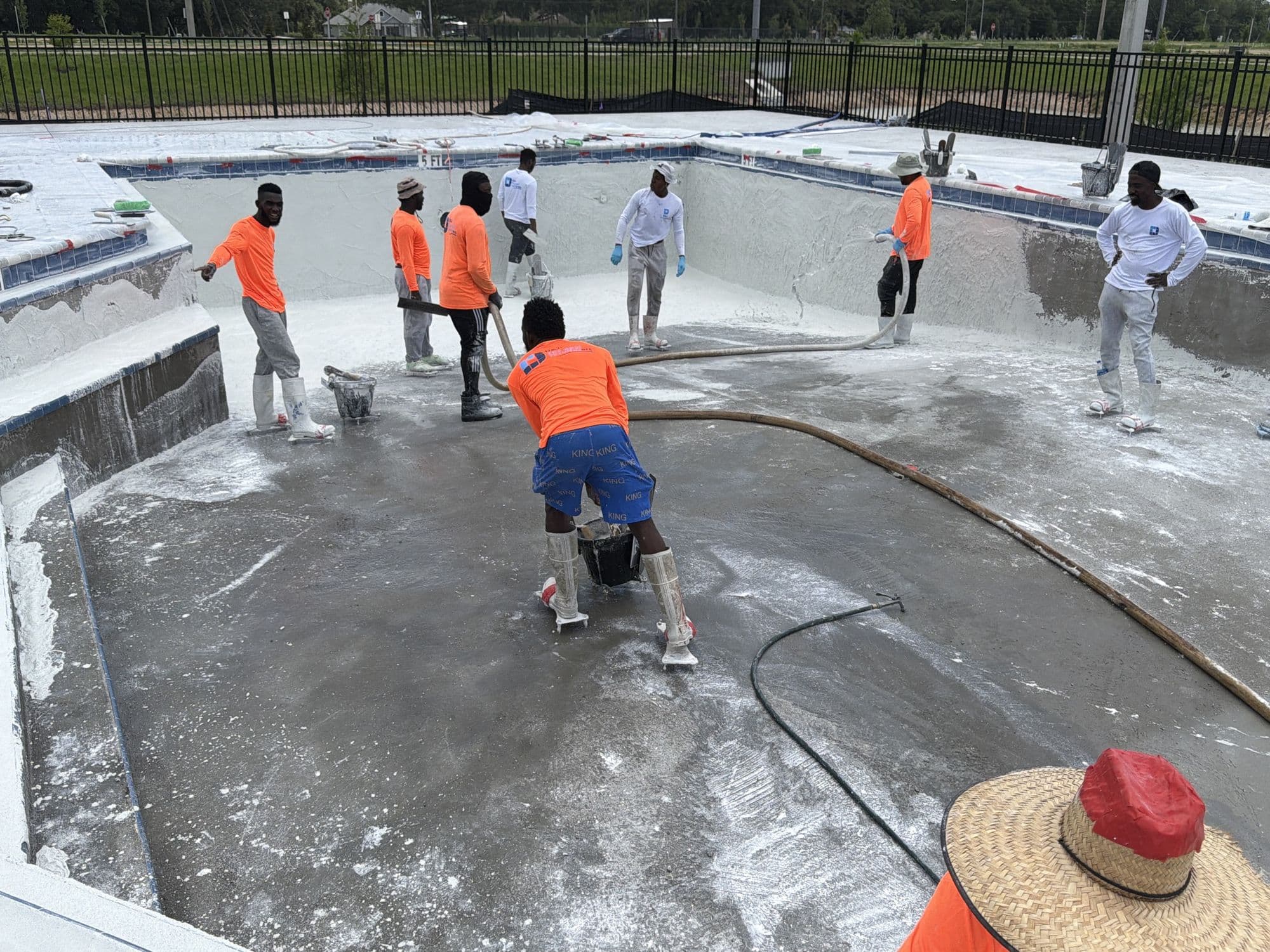
Common Mistakes Homeowners Make
- Waiting too long to resurface
- Choosing cheapest material instead of best long-term option
- Hiring non-certified contractors
- Ignoring early surface damage
FAQ
How long does pool resurfacing last in Florida?
It depends on the finish you choose. Traditional plaster typically lasts 7–10 years in Florida's climate. Quartz finishes extend that to 10–15 years. PebbleTec — the most durable option and the finish D&J is certified to apply — lasts 15–20+ years with proper maintenance.
Is PebbleTec worth it in Saint Cloud?
Yes, due to its durability and resistance to Florida conditions.
Can I swim immediately after resurfacing?
No, curing and chemical balancing are required.
What is the best finish for Florida pools?
PebbleTec or quartz finishes.
How often should resurfacing be done?
Every 10–15 years depending on usage.
Ready to Resurface Your Pool in Saint Cloud? Let's build it to last.
Written and reviewed by
D&J The Pool Resurfacers
A Florida-licensed pool contractor and certified PebbleTec applicator that resurfaces, remodels and builds pools across Central Florida, working with pebble, quartz and polished finishes.
- Florida Certified Pool/Spa Contractor
- CPC1459797 · Verify the license on MyFloridaLicense.com
- PebbleTec
- Certified PebbleTec applicators
- Last updated
Why trust this article: it’s written by the licensed crew that does this work in Central Florida, and it only states what we do on our own jobs — pebble, quartz and polished finishes. More about D&J